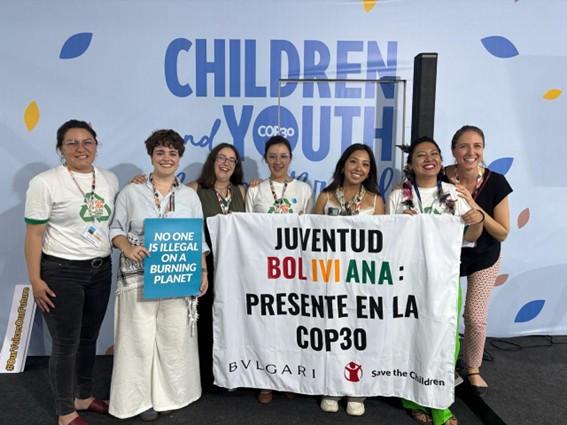
Bolivian Youth Participation at the UN Climate Change Conference COP30 Brazil
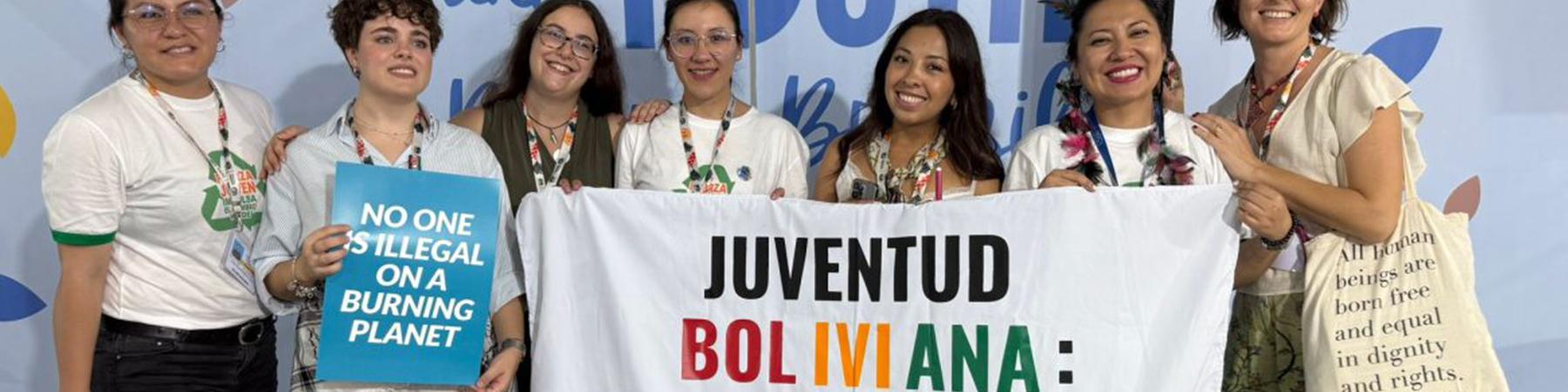
Bolivia arrived at COP30 with a strengthened and well-prepared youth delegation, the result of a systemic, multi-year process led by POWER 4 AY and a network of allied organizations committed to expanding youth participation in the climate agenda. This participation did not emerge from a single isolated action, but from a strategic pathway that built capacities, connected key actors, and generated collective advocacy proposals that elevated the voices of Bolivian youth in one of the world’s most important climate spaces.
A Structured Process to Strengthen Capacities
The POWER 4 AY Programme is committed to promoting more sustainable living—from knowledge to action—supporting the civic and professional initiatives of its participants that help preserve the environment. Youth agency, as a key driving force behind the change the project seeks to promote, is the main ally in advocacy efforts.
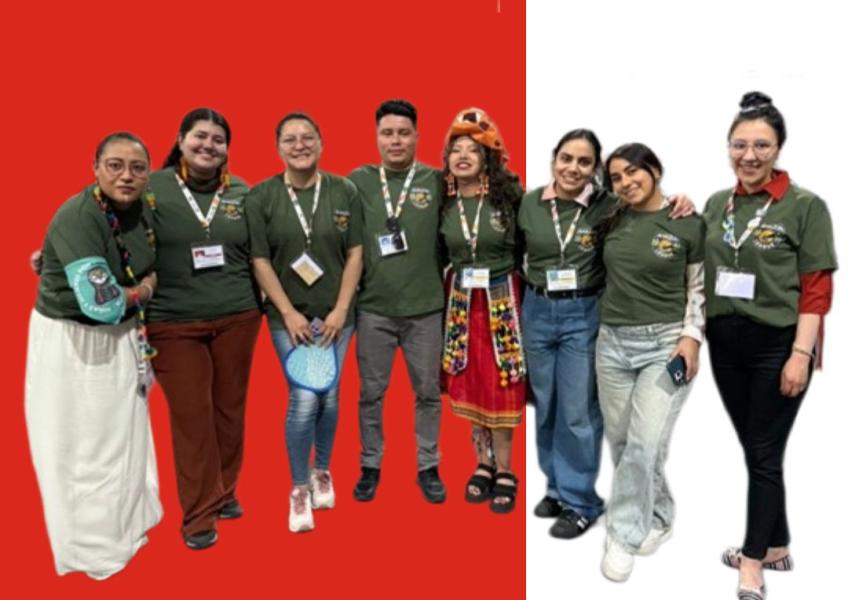
To strengthen this process, the programme incorporated the Green Mindset Framework, training designed to broaden understanding of the most urgent environmental challenges, raise awareness of individual impact, and motivate young people to take action in the face of the climate crisis. A training pathway is launched to reinforce eco-literacy and develop the capacity to critically and proactively identify and address environmental issues, which included a diploma in climate negotiation in partnership with Universidad Andina, UNICEF, and Graha Propacha, as well as the National Course for Climate Observers. These efforts reached more than 300 young people across the country, expanding and consolidating a broad base of youth leadership in environmental issues.
Another major milestone was the simulation of COP30 held in Santa Cruz, which contributed to developing the climate diplomacy skills of Bolivian youth. Organized in alliance with the Santa Cruz Departmental Government and with participation from the Bolivian Platform on Climate Change (PBFCC), the event recreated the official United Nations model and allowed young people from different regions of the country to experience first-hand the dynamics, roles, and tensions of an international negotiation. This experience enabled them to develop evidence-based proposals just as they would in an actual COP. Importantly, the young participants drafted the Declaration of the Local Youth Conference (LCOY) 2025 as part of this effort, establishing the messages and contributions they would present in national events and at COP30 in Brazil.
The LCOY 2025 Declaration states that, in the face of a global systemic crisis that intensifies social, environmental, and economic impacts in the country—including historic wildfires, biodiversity loss, water pollution, dependence on fossil fuels, and threats to Indigenous territories—more than 110 young people from across Bolivia unite to demand urgent, ambitious, and just actions from the State, private sector, and international community. These actions include protecting ecosystems, promoting sustainable production systems, ensuring water justice, accelerating the energy transition, strengthening resilient urban development, and respecting Indigenous peoples’ rights. They also commit to leading initiatives, exercising social oversight, and defending climate justice in the lead-up to COP30 and for the future of the country.
Another key step was participation in the Pan-Amazonian Social Forum (FOSPA), held on June 13, 2024, which has become one of the most important youth spaces for exchanging and analyzing environmental challenges in the Amazon region. Organized by the Bolivian Platform for Action Against Climate Change (BPAACC), the event brought together adolescents and youth from POWER 4 AY with delegations from Bolivia, Peru, Colombia, Brazil, and Ecuador, creating a cross-border dialogue space to reflect on the problems affecting Amazonian communities and ecosystems.
These interconnected processes strengthened the capacities of youth organizations and their active engagement with State actors and the country’s climate agenda, contributing to a stronger integration of adolescents’ and youths’ perspectives in national climate discussions.
A Representative and Well-Prepared Delegation
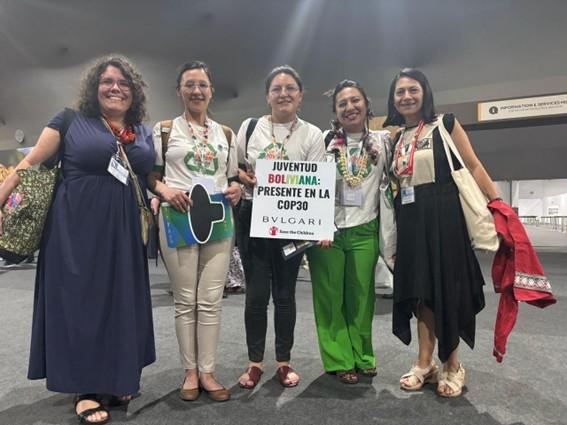
As a result of this journey, five young people connected to POWER 4 AY’s allied organizations were selected to participate in COP30, representing not only their individual trajectories but also the collective effort of training and coordination carried out in Bolivia. Save the Children Bolivia’s technical support throughout this complex process facilitated their accreditation and participation in key activities.
Milestones That Marked Their Presence at COP30
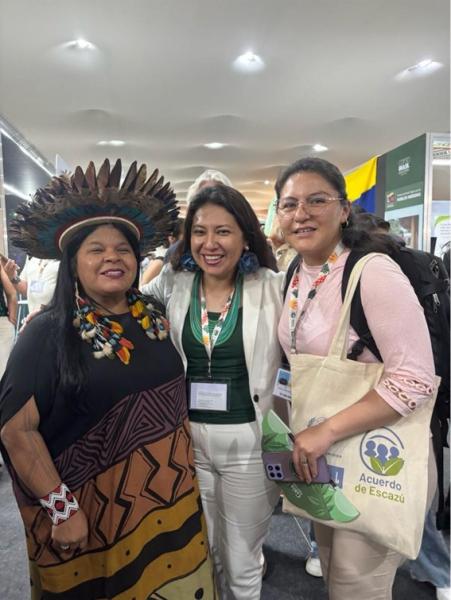
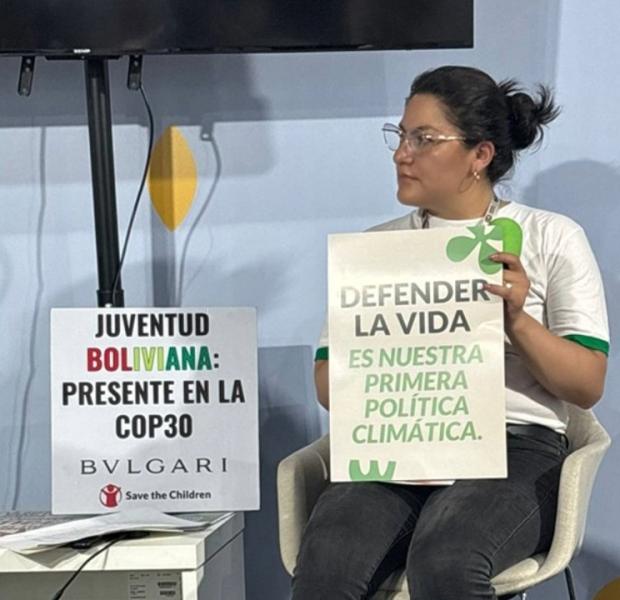
During COP30 in Belém, the Bolivian youth delegation played a strategic role, combining participation in formal spaces, side events, and high-level diplomatic meetings. Thanks to their accreditation—including, for the first time ever for Bolivian youth, access through party overflow status—they were able to attend key plenaries such as the macro session and the Gender Action Plan negotiation, which was approved near the end of the conference. They also participated daily in meetings organized by YUNGO, the official UNFCCC youth constituency, where young people from around the world coordinated their positions and advocacy strategies.
The delegation attended multiple side events in thematic pavilions—ranging from oceans to adaptive systems—expanding their understanding of global agendas and strengthening their technical capacity to analyze climate policies. Throughout their participation, they supported interventions by Latin American youth, including activist presentations at the World Meteorological Organization, which enabled them to join existing regional networks.
One of the delegation’s greatest achievements was their ability to engage with government and international actors in spaces where youth typically have limited access. At the request of Bolivia’s official delegation lead, the young representatives supported the preparation and development of bilateral meetings between the Bolivian State and institutions such as ACTO (Amazon Cooperation Treaty Organization), the Green Climate Fund, CAF, and ECLAC. Their contributions included pre-meeting analysis, technical accompaniment, and advocating for the inclusion of civil society and vulnerable groups in climate finance programs. They also held direct meetings with the Vice President of Bolivia and the Acting Minister of Environment.
A special moment was held when the delegation was able to meet with a delegation with Save the Children Italy. Furthermore, they explored potential collaborations with CAF for regional training processes and participated in the People’s Summit and in spaces with youth from Panama, Brazil, and other countries, creating new networks that will be key as they prepare for COP31 in Turkey and future climate advocacy efforts.
Some of their key milestones include:
- Participating in the UN’s official youth constituency (YUNGO) and in the People’s Summit.
- Sharing insights and proposals in a meeting organized with Save the Children Italy delegation.
- Engaging directly with Bolivian authorities, including the Acting Minister of Environment and the Vice President of Bolivia.
- Holding strategic meetings with CAF, the Green Climate Fund, ECLAC, and ACTO.
- Accessing negotiation spaces under party overflow accreditation, a historic first for Bolivian youth.
The Message They Carried
The Bolivian delegation brought forward concrete proposals shaped through all previous work carried out with their peers since the COP simulation in Santa Cruz. Their proposals focused mainly on educational transformation and climate action:
- Climate Education as a National Priority: They emphasized the need to establish climate education as a fundamental pillar of public policy.
- Increased Budget for Environmental Education: They called for greater state financial commitment, requesting an increase in the national budget dedicated to environmental education.
Impact and Future Outlook
Participation in COP30 strengthened a group of young leaders with enhanced competencies in leadership and climate diplomacy, while also expanding regional and international networks. The experience generated key learning to deepen work with youth and strengthen engagement with public institutions as part of future climate agendas.
Turkey 2026, Ethiopia 2027, and India 2028 are already on the horizon, and the Bolivian delegation knows that preparation begins now to make their strongest contribution. They return to Bolivia with renewed conviction, strengthened capacities, and alliances to keep building and planting seeds of change from their own territories.
-
View Bolivian Youth´s Declaration: Local Youth Conference (LCOY) 2025
-
Documentdeclaratoria-lcoy-bolivia-2025-1.pdf (20.07 MB)
-
-