Inclusive Governance: Municipal Disability Profiles in Nepal
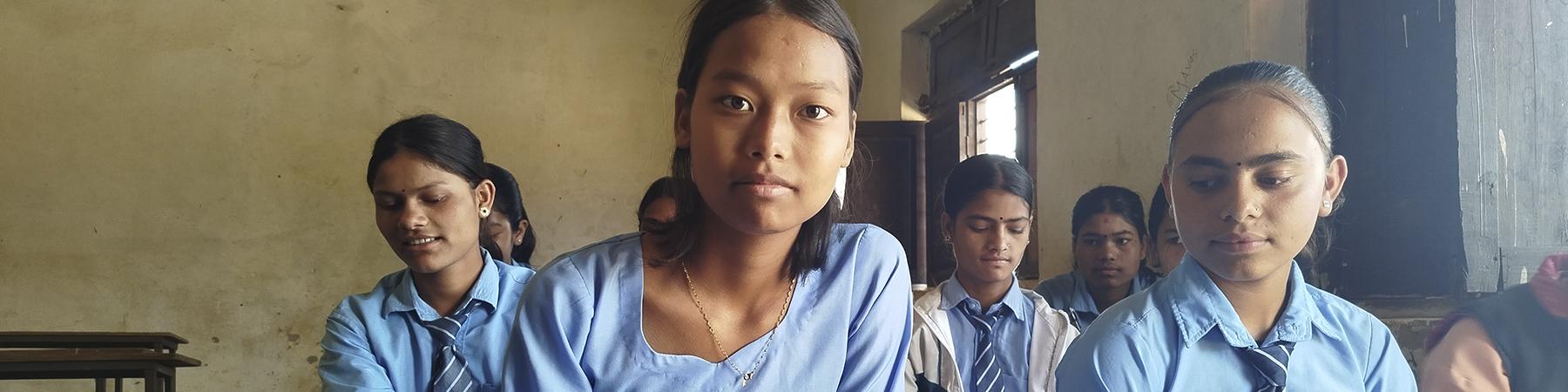
Last year, we gathered data on individuals with disabilities across all wards of the municipality, collecting extensive information. This year, we will assist the municipality in developing tailored programs and plans for people with disabilities, including budget allocation. Programs and plans will be prioritized according to the needs and information we have collected. —Tapta Kumar, Deputy Chief, Narayan Municipality, Dailekh
-
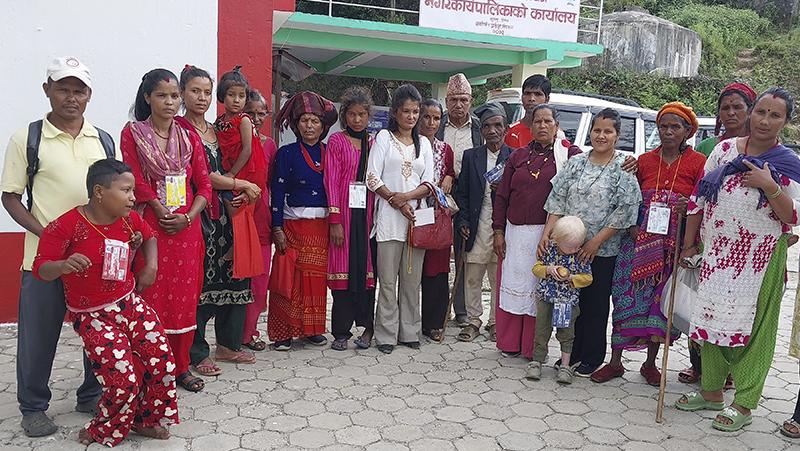
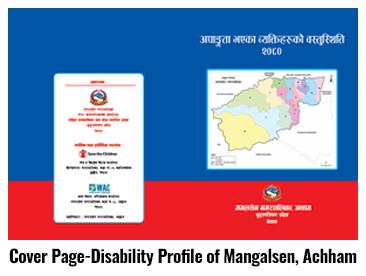
The POWER 4 AY Programme in Nepal is pioneering a new approach to disability-inclusive governance through the development of Municipal Disability Profiles which have been achieved in the seven project municipalities across Achham, Banke, Daielkh and Surkhet. By uniting local governments, youth, and Organizations of Persons with Disabilities (OPDs), these Profiles provide municipalities, the project and other interested parties with reliable, up-to-date data to guide planning, strengthen advocacy, and ensure that adolescents and youth with disabilities are not left behind.
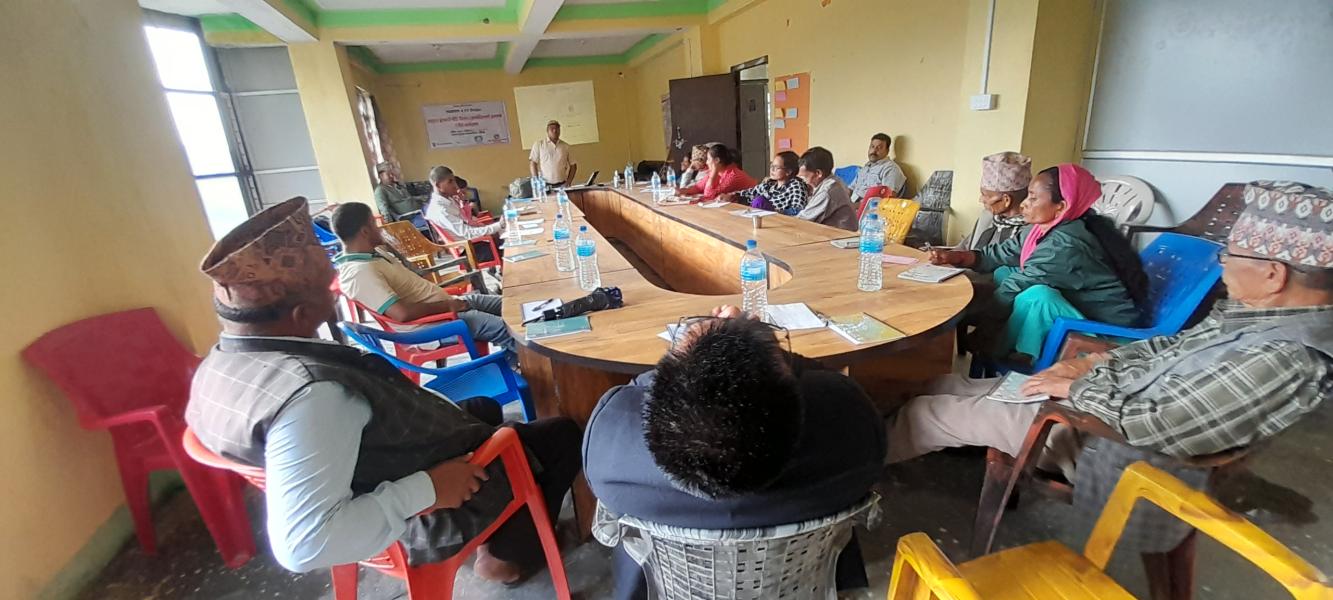
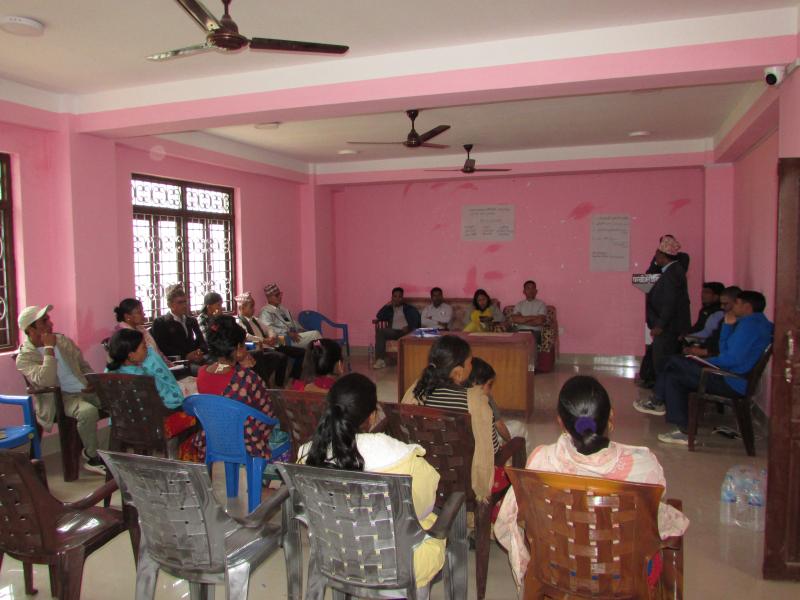
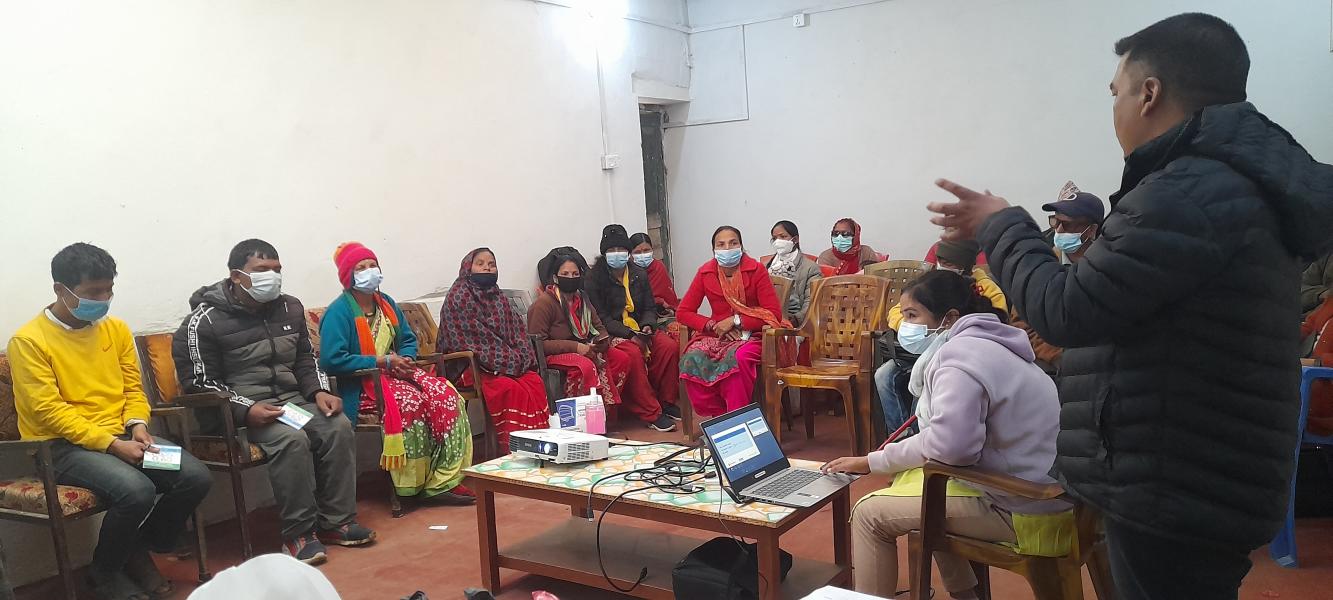
The journey began with sustained advocacy by the project team to build up political will in the municipalities for the need for disability profiles. A series of meetings with mayors, deputy mayors, municipal representatives, and OPDs helped align priorities, secure budgets, and agree on the methodology. Enumerators were selected in consultation with OPDs and municipalities, then trained on disability concepts and the household survey tool by Save the Children’s technical team. Data was collected with the KOBO tool, analyzed, reviewed jointly with municipalities and OPDs, and formally endorsed before being published as official municipal profiles. This process ensured local ownership and accountability—municipal leaders and OPDs were not just recipients of data but active partners in every stage, from design to validation.
The Profiles are more than statistics: they are comprehensive planning documents. Each contains detailed information on disability status, education, health, employment, accessibility, and inclusion, providing municipalities with their first-ever reliable picture of the populations of persons with disabilities in their wards. Before POWER 4 AY’s intervention, local governments, NGOs, and OPDs did not have accurate data at this level, which limited their ability to plan services. Now, with evidence in hand, municipalities can design targeted interventions and allocate resources more effectively.
The data revealed that, out of a population of 461,843 across the seven municipalities, 8,918 persons (almost 2%) are living with disabilities—a figure that aligns with national data. Among them, 48.4% (4,320 persons) already hold disability ID cards, while the Profiles are now being used to advocate for wider distribution. The Profiles also disaggregate data by ethnicity, showing, for example, that the largest groups are Brahmin Chhetri, Dalit, and Janajati, with significant populations of Madhesi and Muslim populations. This granularity allows municipalities to better understand the intersections of disability with poverty, caste, and exclusion.
Crucially, the Profiles are not static documents—they are driving real change. By mid 2025, municipalities have already allocated $42,000 USD through tri-party agreements with POWER 4 AY and OPDs, earmarked for economic empowerment initiatives such as vocational training, business start-up support, bursaries, sanitation programs, and OPD meetings.
Some examples of impact already include:
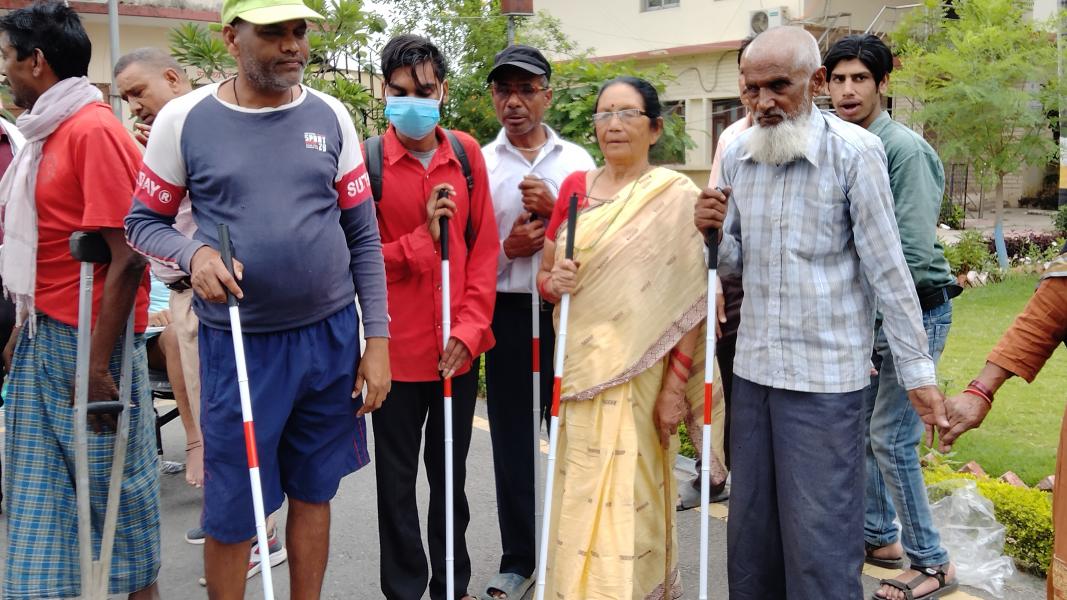
- In Achham, reactivated disability networks advocated successfully for municipal funds to provide annual medical allowances to persons with disabilities, alongside organizing disability screening camps that distributed assistive devices.
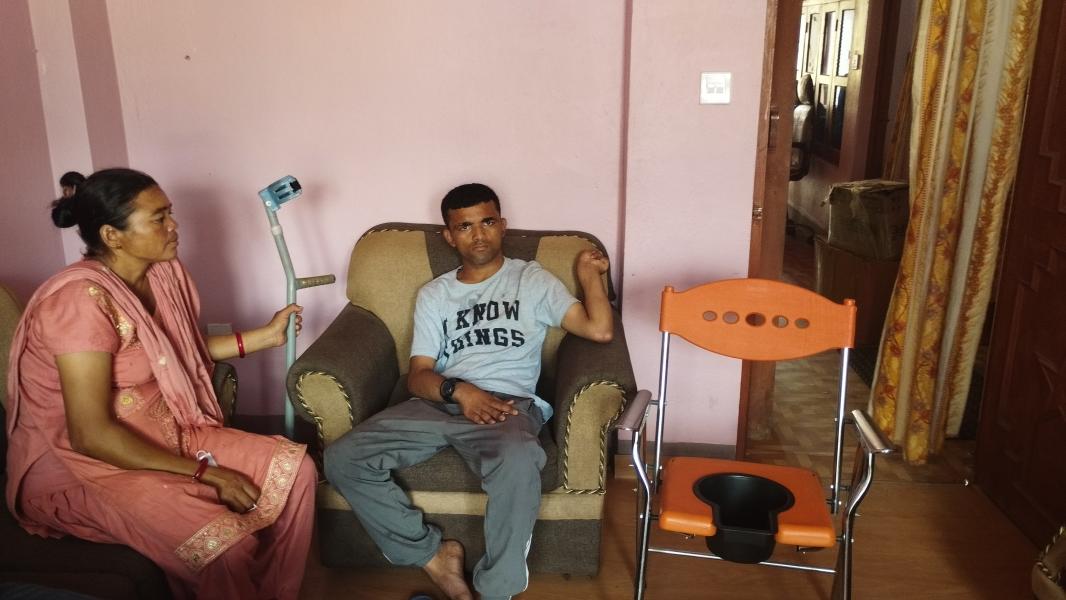
- In Banke, persons with disabilities received assistive devices distributed by the municipality, informed by data in the Profile.
- In Dailekh, municipal disability coordination committees used the profile to commit to issuing ID cards, expanding education opportunities, supporting entrepreneurship, and ensuring the representation of persons with disabilities in planning processes.
- In Surkhet, the disability profile facilitated collaboration with organizations and stakeholders, leading to commitments such as assistive devices from International Nepal Fellowship (INF), computer training, and the municipality’s support through a dedicated room, focal person, and budget for assistive devices.
These results highlight how the Profiles have quickly become powerful advocacy tools for OPDs, enabling them to push for inclusive services and hold local governments accountable.
By embedding the Profiles into municipal systems, POWER 4 AY has created both a planning instrument and a rights-based advocacy tool. Municipalities now have the evidence to design inclusive policies, OPDs and youth networks have stronger voices in decision-making, and persons with disabilities are increasingly recognized as full participants in community life.
The Municipal Disability Profiles are a model that combines rigorous data collection with youth and OPD engagement, and one that has begun to reshape local governance into a more inclusive system for all.
-
Municipal Disability Profiles