Janneth’s courage: flourishing through perseverance despite existing disability barriers
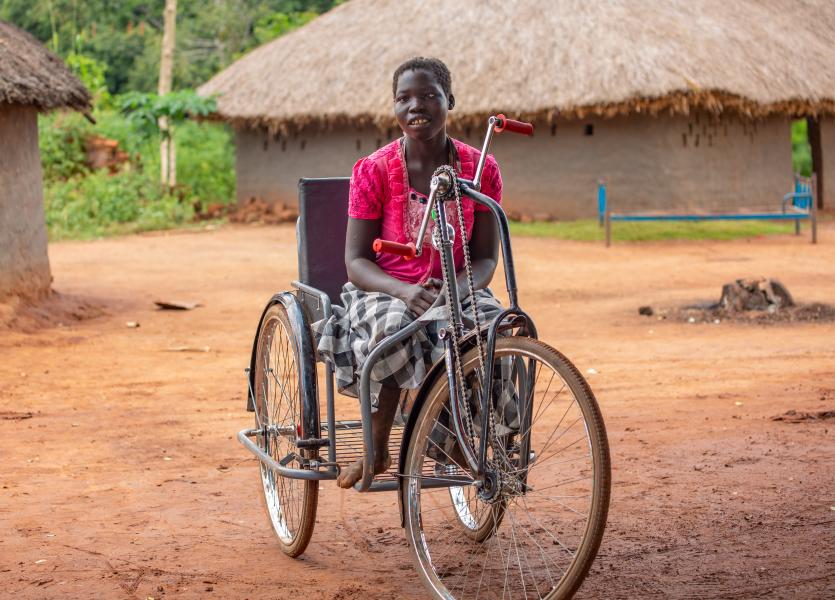
Janneth is a 20 year old youth with multiple disabilities who dropped out of school when she didn’t pass to the next class after sitting for her Primary Leaving Examinations. Her story is related to lack of accommodation and attitudinal barrier among parents who believe that adolescents and youth with disabilities are incapable of achieving educational success.
“I stopped going to school after primary 7. I did not pass my exams because the lessons taught were very hard for me. My father wanted me to repeat the class in the same school, and I did not agree with him because my fellow students were going to laugh at me. That is how my studies ended.” Janneth said.
During selection of youth most impacted by inequality and discrimination for support by the project team, Adolescents and Youth with disabilities like Janneth were intentionally selected during the beneficiary selection process due to the challenges they face in communities. Upon selection, the youth with disabilities were assessed by medical practitioners from the Ministry of Health who recommended assistive devices for the different categories of disabilities. Janneth is a youth with multiple disabilities with categories of visual and physical impairment.
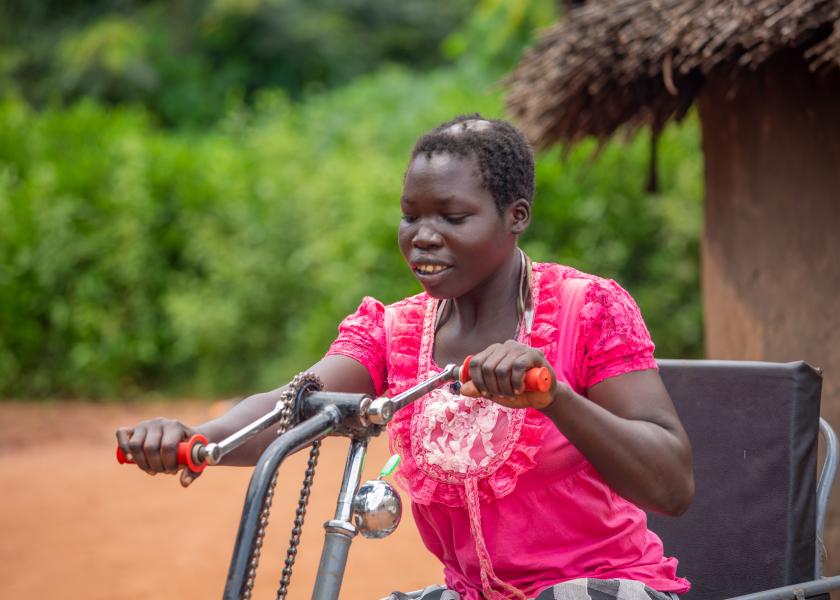
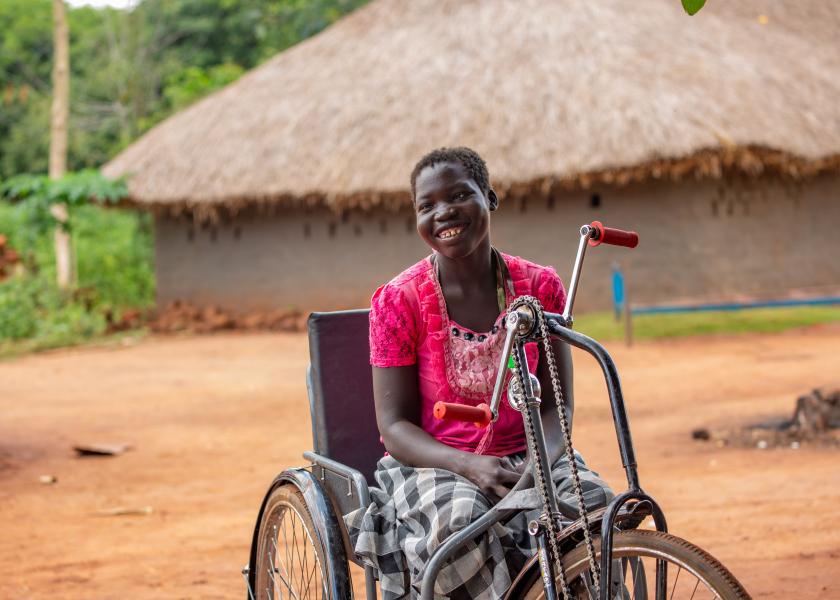
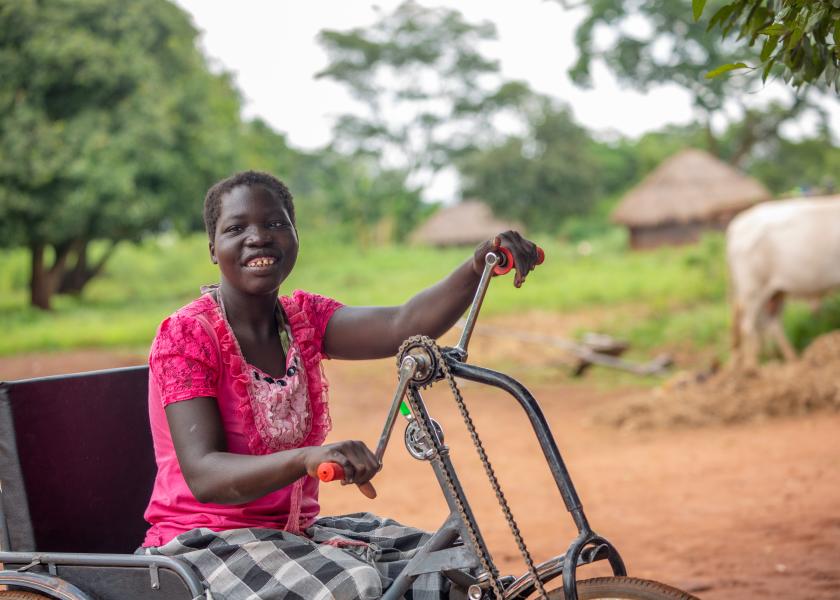
“Save the children bought for me a tricycle, and a stretcher to ease my movements and spectacles for my eyes. I use my tricycle for long distance movements, the stretcher for short distance movements and my spectacles help me to see well” Janneth said.
Janneth just like other youth selected for support went through 3 months training in life skills, and ASRH. There after the youth were enrolled for entrepreneurship skills training for 6 months.
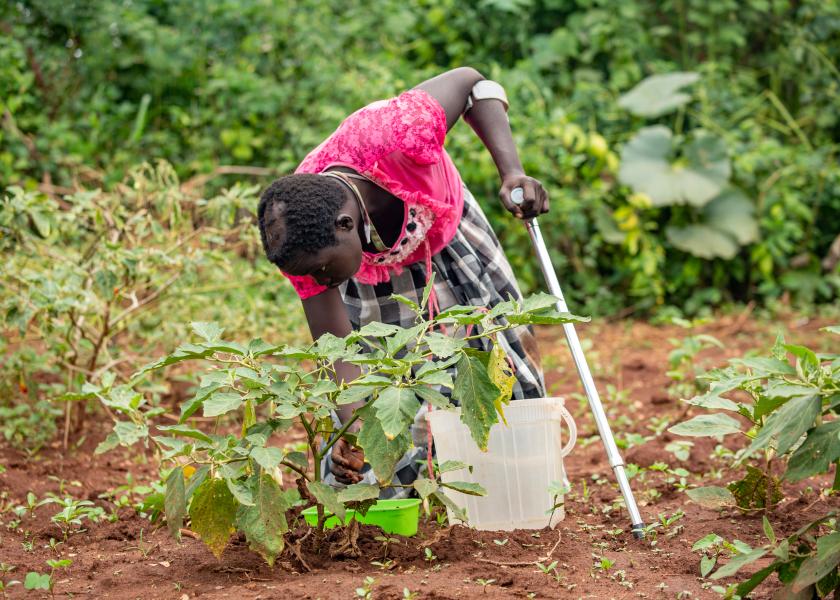
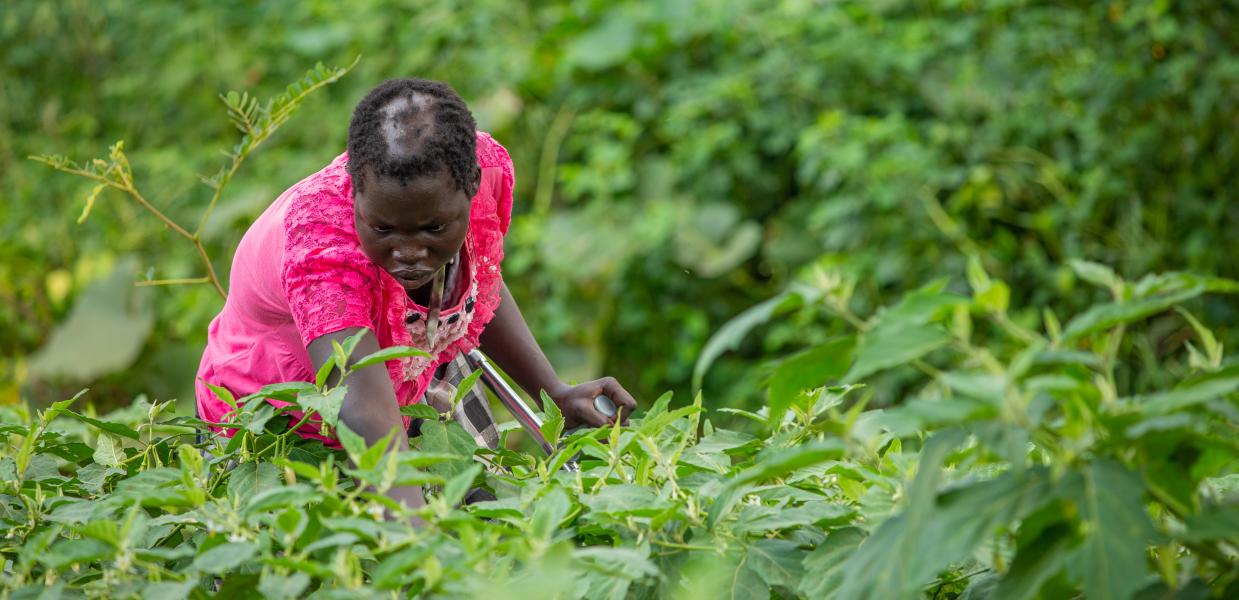
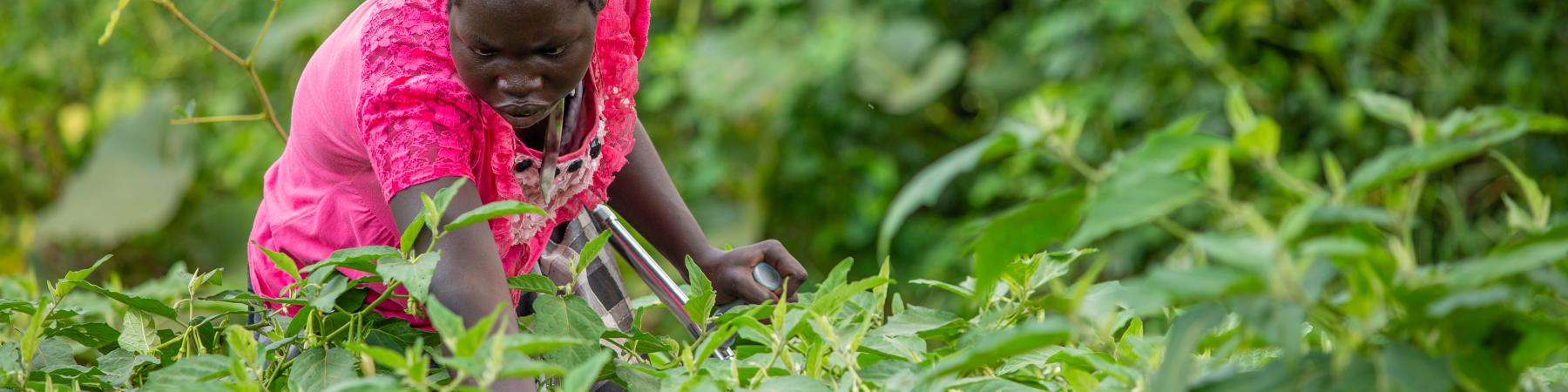
“During the 6 months training in entrepreneurship, I chose to study Agriculture (Crop and animal husbandry) where I learnt how to make money through farming. I have 1 acre garden of Eggplants and half an acre of cotton. I anticipate making UGX 300,000 (estimate of $ 83) from the eggplant garden and UGX 500,0000 (estimate of $ 139) from the cotton farm.
My father has been very supportive of these ventures, and he has advised me to invest the money I will get from the garden into poultry farming.
In our group Village Savings Group, I have saved UGX 100,000/- (estimate of $ 27) and will keep saving more money to enable me to start a poultry farm” Janneth said.
In cohort 6, Janneth was grouped with other youth from the same community and supported with 11 piglets as Income Generation Activity for them.
How a day in life for Janneth looks like:
“When I wake up in the morning I sweep the house, then I put food on fire before I go to the garden. My garden is very near our home (300meters from home) and this enables me to keep checking on the food not to burn.
After garden work, (normally between 12-14pm) I serve food and eat with my little siblings. I then rest for some hours and in the evening, I bathe my siblings. I thereafter help my little sister who is in primary 6 to read her books.”
Janneth’s dream is to become a businesswoman with a retail shop in her village.
Adolescents and Youth living with disabilities are underrepresented in education institutions. Despite the efforts by the Government of Uganda under Uganda Primary Education (UPE) and Uganda Secondary Education (USE) program, many schools remain hesitant to admit youth with disabilities. This hesitancy often arises from a perceived incapacity to meet the specific needs of these students, coupled with a lack of adequately trained teachers who can provide an effective and inclusive education. Negative attitudes among parents and communities, who often perceive youth and children with disabilities as a burden and incapable of achieving educational success, lead to many either not being enrolled at the appropriate age or not being enrolled at all. Additionally, the absence of assistive devices and learning materials, combined with long distances and poor road conditions between home and school, significantly hinders regular attendance, retention, and contributes to higher dropout rates among adolescents and youth.