Strengthening Pathways to Adolescent and Youth Wellbeing: The 2024 POWER 4 AY Face to Face Event in Uganda
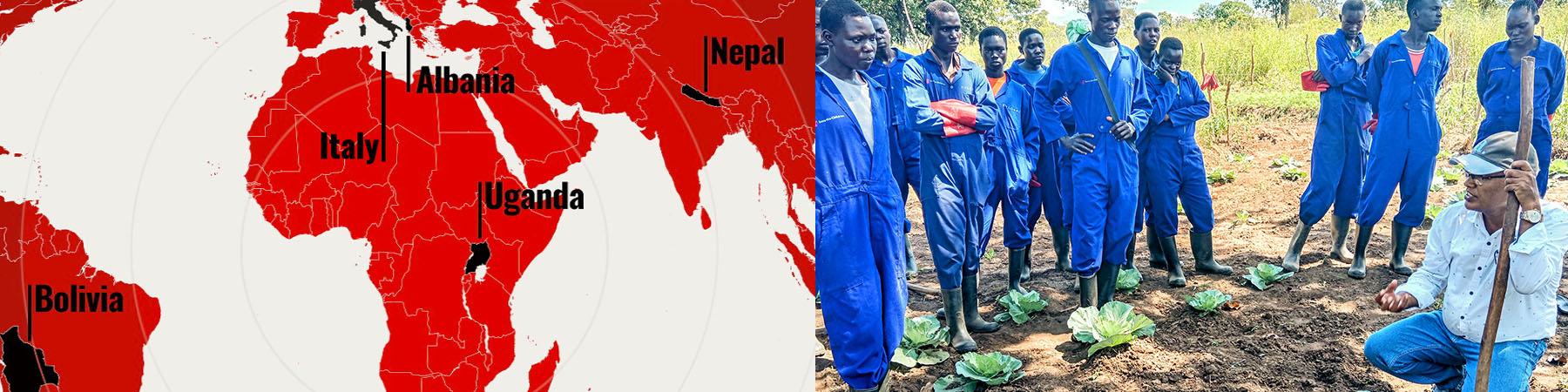
The Pathways to Wellbeing, Empowerment, and Resilience for Adolescents and Youth (POWER 4 AY) Programme is the first, ground-breaking interpretation and application of Save the Children’s Adolescent Wellbeing Framework for Action. This framework guides how we can best support adolescents to realize their rights and thrive. As a flagship programme addressing inequality and discrimination, POWER 4 AY accompanies young people in Albania, Bolivia, Nepal, and Uganda on transformative, empowering pathways from July 2021 to July 2026.
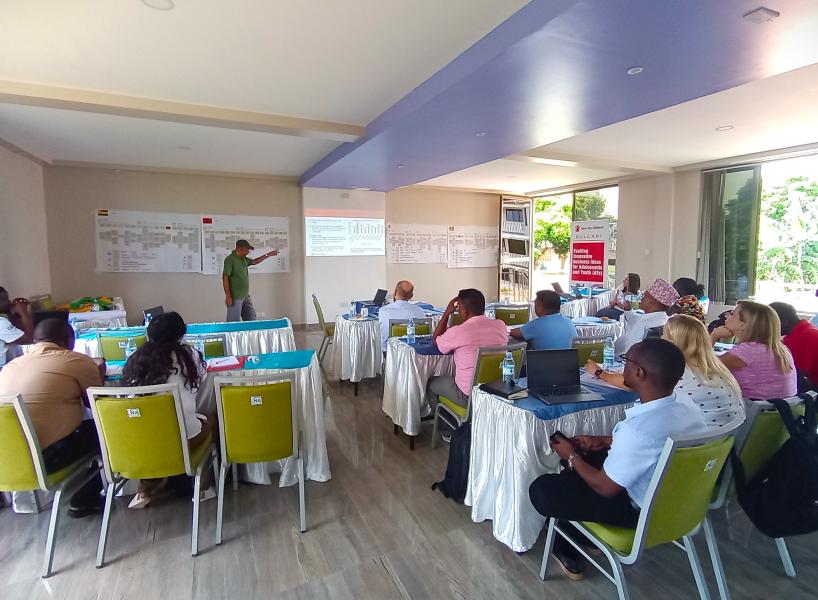
Having past its midline, the Programme convened a pivotal Face-to-Face (F2F) learning event in Uganda from October 28 to November 1, 2024. Informed by findings from the Mid-Term Evaluation, the event brought together representatives from all four implementing country teams and Save the Children Italy.
The week-long F2F served as a dynamic space to connect the Programme’s wealth of experience and technical expertise. Participants shared milestones, tools, and strategies, aligning concepts and surfacing both opportunities and challenges. Strengthening collaboration and insight to scale promising practices, the event sharpened the Programme’s focus for the remaining period of its implementation.
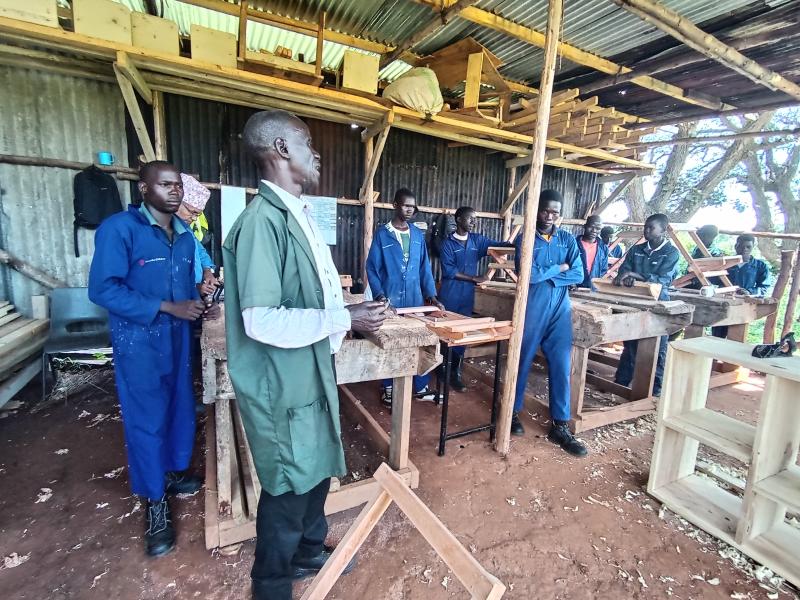
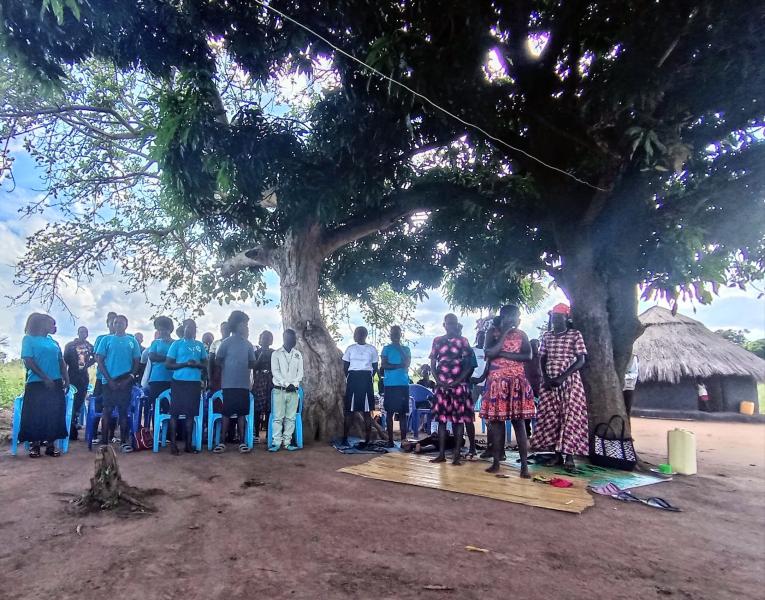
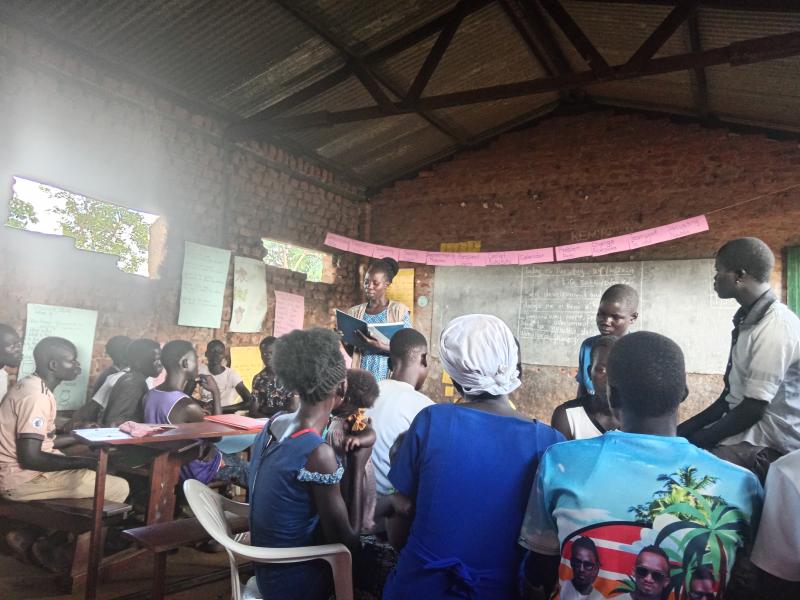
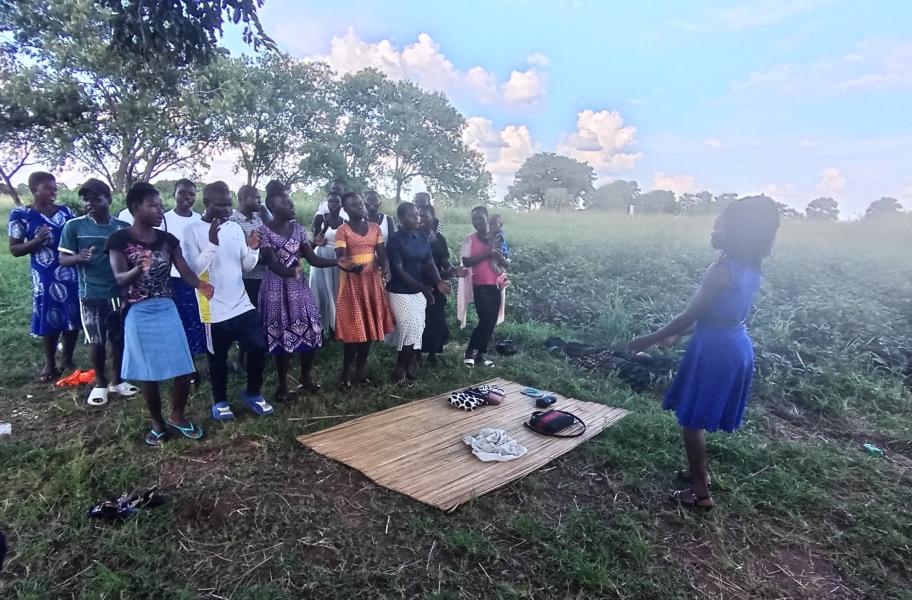
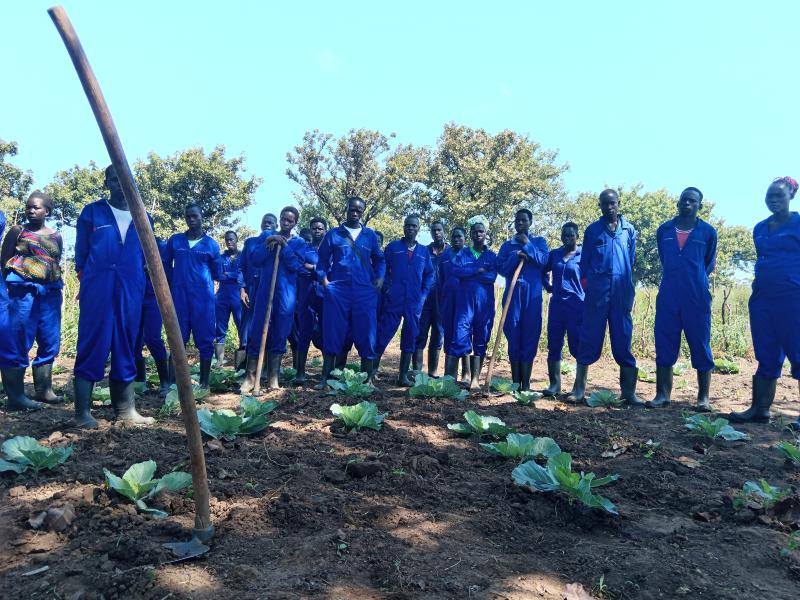
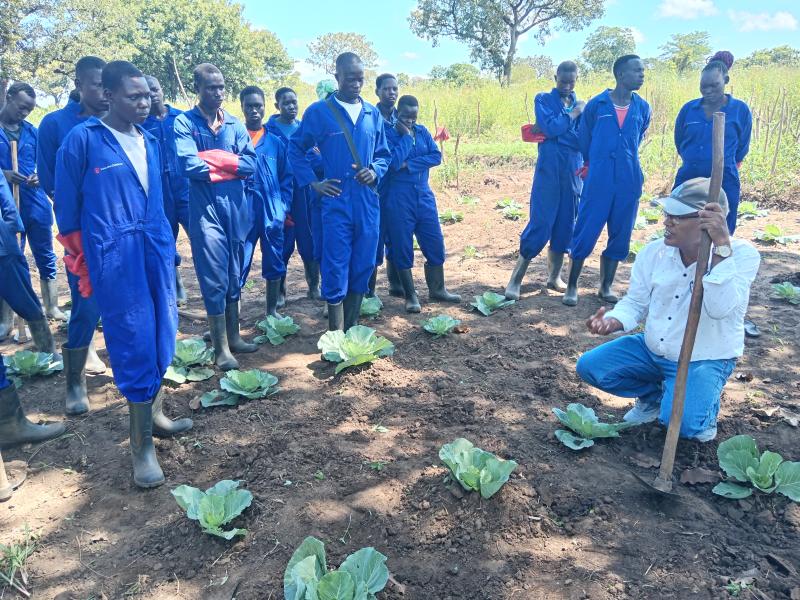
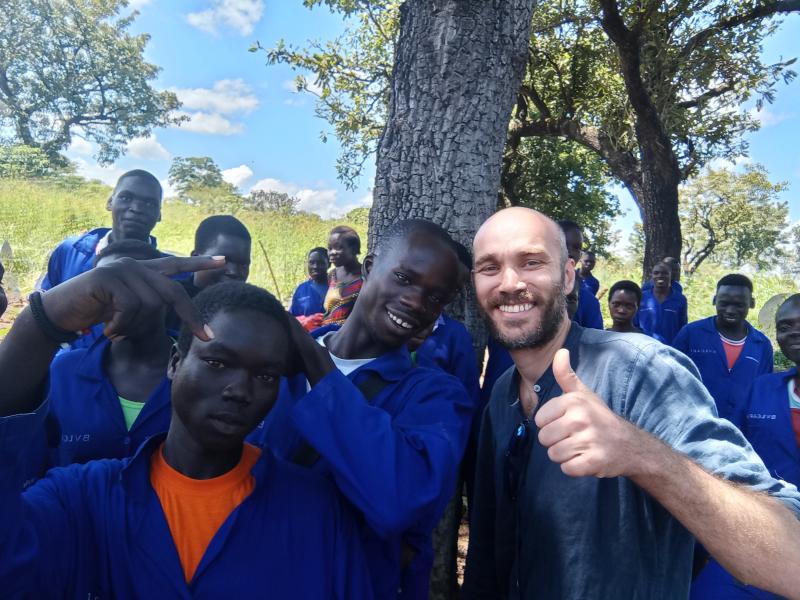
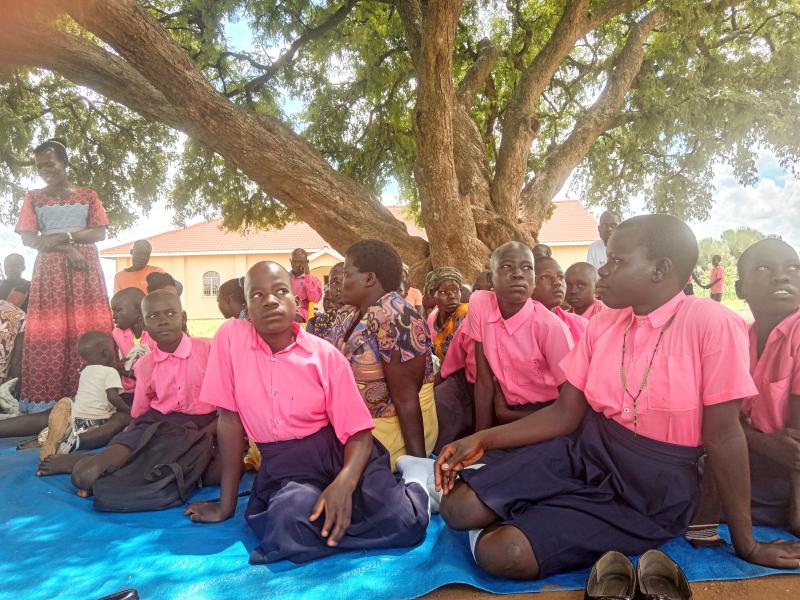
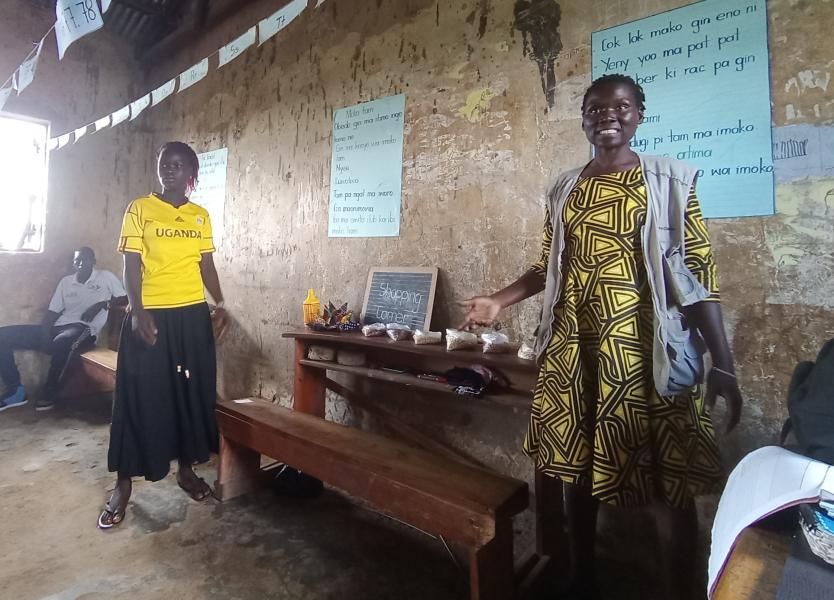
Through an ambitious agenda including a field visit to Northern Uganda (Amuru, Nwoya, and Omoro districts) and a two-day interactive workshop, the group worked collectively to analyse Programme performance, reflect on what has driven progress, and identify what is needed to deepen impact on adolescent and youth wellbeing.
The POWER 4 AY Approach, tailored in each country, calls for an integrated, cross-sectoral, and holistic response—accompanying young people as agents of their own wellbeing through personalized pathways developed with and for them.
The Theory of Change articulates four outcomes, with Transferable Life Skills serving as a foundation across all. The first outcome is about improving the choices on sexual reproductive health and prevention of violence, the second focuses on supporting inclusive educational pathways, the third is focused on economic empowerment and transition to decent work, and the last brings into play young people´s agency in improving their environment. Recognizing that AY wellbeing depends also on their surrounding environment, actions seek to enable change across all levels of the socio-ecological model—engaging youth, families, peers, communities, services, systems, laws, and policies.
The F2F event was anchored on this Theory of Change, working through its strategic design. The field visit explored how the project in Uganda contextualizes each outcome and engages stakeholders across the socio-ecological spectrum. In the workshop sessions, teams exchanged strategies for strengthening young people´s life skills and made recommendations to enhance measurement of their impact. Each outcome was reviewed against mid-term evaluation benchmarks and discussions generated clear action points and practical strategies, with cross-cutting considerations for gender equality, disability inclusion, and environmental sustainability woven throughout.
The F2F was a key milestone towards maximizing the impact of POWER 4 AY. It provided space to critically assess what’s working, refine what needs to be strengthened, and re-energize efforts. Importantly, POWER 4 AY, as the first application of the Adolescent Wellbeing Framework for Action, holds a unique position to inform and inspire programming beyond its own scope. The insights, lessons, and innovations generated through this event offer valuable contributions to strengthen Save the Children’s broader work with and for adolescents and youth across the movement.
Some recommendations from the POWER4AY Face to Face Event to improve adolescent and youth wellbeing
Building Strong Foundations: Life Skills and Core Training for Empowered Youth
Empowering young people with transferable life skills is one of the most potent legacies a programme can leave—it's a pathway to agency, resilience, and long-term wellbeing.
The POWER 4 AY Programme places life skills as foundational to all of its outcomes and at the heart of its core training process for young people, alongside adolescent sexual and reproductive health and rights, green mindset, and functional literacy and numeracy. These themes work together to prepare adolescents and youth not only to navigate challenges but to lead change in their communities.
The pillars of Life Skills training are five essential competencies: Communication, Higher-Order Thinking, Social Skills, Self-Control, and Positive Self-Concept. These should be brought to life through relatable, interactive sessions rooted in real-world experiences. From dynamic problem-solving activities to community-based scenarios, young participants learn in ways that resonate. For an adequate process, it is important for the objectives and expected outcomes of life skills development to be clearly understood by adolescent and youth participants from the outset.
Training should be both relevant and manageable. While integration of multiple themes boosts impact, care must be taken not to overwhelm participants. Tailored scheduling—such as 90-minute sessions twice a week, supplemented by social activities, sports, inspirational visits (for example to businesses or health facilities), and even residential trainings—helps to keep the process engaging.
It is a good idea to address economic empowerment from the start with relevant examples. Foster an entrepreneurial mind-set whilst introducing financial literacy and career orientation early on can make the training more meaningful.
Gender equality and disability inclusion should be integrated in the training, mainstreamed across sessions and reinforced through targeted content and inclusive methodologies. Ensure that all participants feel seen, supported, and able to thrive, fostering respectful attitudes and equipping young people to challenge social norms and actively promote inclusion and equality. Accessibility is critical. Distance, caregiving responsibilities, and the need for reasonable accommodations must be addressed to ensure every young person can participate. Carrying out a Barrier Assessment and adapting training to individual needs and strengths deepens impact.
Innovation is key to drive effectiveness. Explore new tools and settings to go beyond the traditional session format and keep seeking best practices to address barriers and foster inclusion. Also, deliver training locally, sorking with community youth facilitators can add a layer of relatability and build local ownership. Furthermore, creating “Communities of Practice” among trainers fosters continuous improvement, while partnerships with technical experts bring specialized knowledge and quality. For example, engage health workers for sessions relevant to adolescent sexual and reproductive health.
For long-term sustainability, aligning life skills curricula with government systems and youth development strategies is key. Having strong training of trainers and transfer methodologies can enable scale, while involving participants, families, and community stakeholders as advocates can support institutional buy-in. Efforts to share data and stories of success can also be worthy catalysts to inspire replication across contexts.
Supporting Young People to Prevent Teenage Pregnancy, Early Marriage, and Violence
Projects can apply a range of strategies to increase demand for health and protection services among adolescents by making services more accessible, able, relatable, and youth-friendly. Training on adolescent sexual and reproductive health with a gender transformative lens is key whilst peer education and youth-led outreach help deliver trusted, relatable messages. Community mobilization and creative campaigns through attractive means as art, music, and social media engage adolescents in safe and familiar spaces. Supporting youth-friendly services, safe spaces, accessibility and mobile outreach services whilst linking service providers, including schools and vocational education providers, promotes services and reduces barriers. Community and youth-led referral systems further encourage service uptake. For adolescents facing heightened risks, comprehensive, tailored interventions are needed, backed by coordinated action among key stakeholders.
Facing the challenge of preventing teenage pregnancy, early marriage and violence requires a holistic approach that works closely with parents and caregivers as active partners. Through community sensitization, targeted parent/caregiver training, and self-support groups, families can be potentiated as allies in protecting and supporting young people. To engage parents and caregivers, traditional meetings and sessions may fail to resonate—creative, participatory strategies like sports events, dance competitions, and youth-parent peer to peer activities build stronger connections and provide opportunity to deliver key messages. Giving parents specific roles—as in participant recruitment, assessments or dropout prevention—and involving respected community figures helps deepen their involvement and ownership. To strengthen this support system, project teams must be confident and well equipped for navigating sensitive topics like gender equality, inclusion, and adolescent sexual and reproductive health. Ensuring caregivers understand and can share accurate information is key.
As demand for health and protection services grows, so must the system’s capacity. This means not only training and advocacy but also taking services closer to the communities that need them most. Addressing gaps in staffing, infrastructure, accessibility and overall quality is essential—empowered youth to lead the call for better services can have powerful results. Sustained change requires building political will and system-level collaboration which are critical for lasting impact.
Advancing Inclusive and Gender-Transformative Education for Adolescents
The POWER 4 AY Programme is working to ensure that young people most impacted by inequality and discrimination can access quality, inclusive, and empowering education pathways that open the door to opportunity and choice. This means ensuring the right to an education for very young adolescents and providing older adolescents and youth with opportunities to catch-up.
Projects can adopt a range of strategies to support school re-engagement. For example, the project in Nepal provides bursary support to address financial barriers and carries out actions to inspire and engage stakeholders significantly increasing bursary funds through counterparts from local governments and private sector actors. To further address financial barriers, the project in Uganda also supports parents to start small businesses and join savings and loans associations to enable them to sustain their children's education. Projects can also address barriers in terms of inclusion through support with reasonable accommodation, improving WASH facilities and innovative ideas such as sanitary pad dispensers in schools. To strengthen foundational learning, training methodologies in functional literacy and numeracy, catch-up classes, basic competencies and business development have proven to be key assets.
Parental engagement is a key factor for success. Through continuous sensitization on the importance of education- particularly for girls-, outreach, and participatory activities, parents can be strong advocates for their children’s education. Targeted outreach that involves key actors, such as religious leaders and authorities, can further improve results.
Equipping teachers and service providers with essential training on safeguarding, disability inclusion, gender equality, and the project’s educational models helps improve education service quality. Furthermore, fostering collaboration across sectors builds stronger systems that respond to young people´s diverse needs. Strengthening adolescent participation to be at the heart of service improvements, including school clubs and feedback mechanisms that offer safe spaces to speak up and shape their learning environments is a powerful investment.
A highly strategic objective is to pursue the integration of life-changing tools like life skills and green mindset training into national education systems. This can be supported by scaling good experiences with education service providers, coherence with education plans and advocacy. Furthermore, projects can strengthen service providers to develop policies on safeguarding, disability inclusion and gender and linking them with specialized organizations to ensure lasting impact.
Increasing Decent Employment Opportunities and Protection from Harmful Work
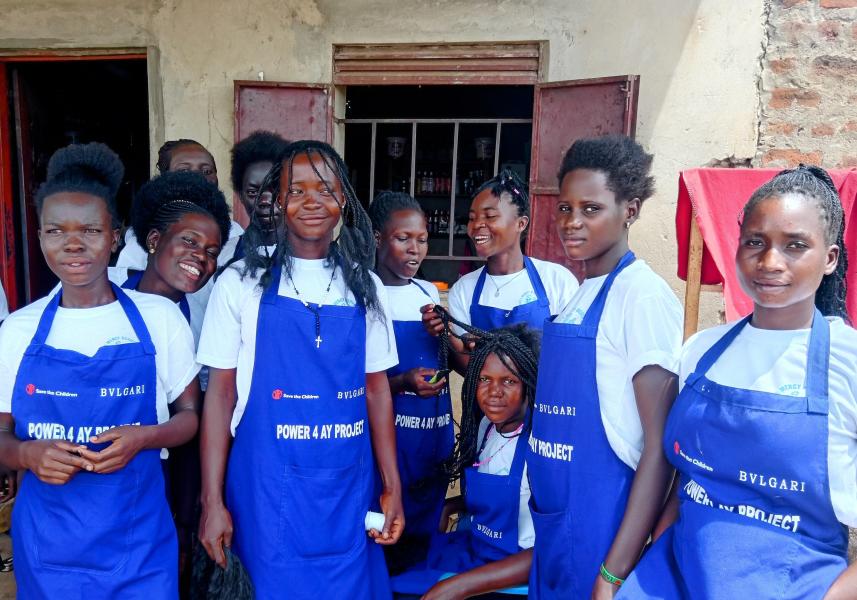
The POWER 4 AY Programme is supporting young people to build pathways for economic empowerment and break the cycle of poverty—while ensuring their rights and well-being are protected. From the outset, young people are supported to gain competencies and to shape realistic career expectations through life skills, core training and personal development plans that promotes inclusive employability and challenges limiting social norms.
Vocational Training (VT) is a key process towards economic empowerment and the programme is generating important experience working with formal or informal, public or private, on-the-job or classroom-based service providers. With all, it is critical to ensure that training models are accessible, safe and inclusive. Ongoing efforts to keep VT programs updated and responsive to market dynamics are essential. This includes aligning curricula with community priorities, local development plans, private sector needs, and emerging fields in green jobs. Innovation is key to avoid market saturation and youth and key stakeholders should be actively involved in market assessments.
Vocational training is only one piece of the puzzle. Strengthening life skills alongside technical skills equips young people with the essential competencies needed to pursue their ambitions; vocational training providers are key actors that can reinforce life skills training and enhance its practical application. Therefore, processes to integrate or “weave” vocational and life skills training processes and actors are promising.
To support young people in establishing their own economic ventures, it is essential to foster an entrepreneurial mindset and strong problem-solving skills from the outset. This should be complemented with quality business training and encouragement to explore innovative sectors, including green business opportunities. To maximize the reach of resources, projects—as in Uganda—can group youth into business units, promoting collaboration and efficient resource sharing. Ongoing follow-up and mentorship, especially during the early stages of a business, are critical for helping young entrepreneurs navigate initial challenges. Exposure to market dynamics through fairs and exchange visits further enhances their confidence and practical experience.
Financial inclusion is crucial. Young people should be linked to financial institutions, cooperatives or government grants. When access to formal institutions is limiting, strategies as establishing Village Savings and Loan Associations offer a proven model that combines training with access to small capital to enable youth to launch businesses, borrow money and save.
Effective work intermediation requires engaging and linking key actors across the employment landscape—including government entities, vocational training institutions, private sector employers, business associations, employment services, financial institutions, civil society organizations, and youth themselves. Promoting strong networks around employment services, particularly those led by local governments, is a promising approach. Strengthening these services involves not only building multi-stakeholder connections but also supporting young people in preparing for the job market and engaging employers through strategies such as job fairs, direct outreach to businesses, public recognition of private sector contributions to youth development, and wage subsidies to incentivize youth hiring. Additionally, it is strategic to position Save the Children and its partners as trusted providers of skilled and motivated young workers.
Finally, it is critical to foster decent work conditions in multiple dimensions. Labor market security refers to the ability to access work and is influenced by factors such as unemployment, underemployment, and the ease of finding a job. Employment security focuses on maintaining a job over time, while job security considers the relevance and meaningfulness of the work to the individual. Work security ensures a safe working environment where basic needs are met. Skill reproduction security emphasizes the importance of acquiring, maintaining, and developing skills. Income security involves earning a fair wage and representation security highlights the importance of workers having a voice and being included in social dialogue and decision-making processes. As decent work remains out of reach for many young people it is key to invest in policy advocacy, labor rights awareness, and systems that monitor and mediate employment conditions—ensuring that young people not only find work, but thrive in it.
Powering Change: Youth-Led Advocacy for Stronger Policies, Systems and Services
The POWER 4 AY Programme works with and for young people, supporting them to be the drivers of the change they want to see in their lives. Across the programme, adolescents and youth are stepping into leadership roles to shape the policies, services, and systems that impact their lives, being heard in decision-making spaces, communities, and classrooms alike.
Adolescents and youth are powerful agents of change in all the themes addressed by the POWER4AY Programme, from economic empowerment to sexual and reproductive health and environmental stewardship. To amplify their voice, projects can provide training in life skills, advocacy, communications, podcasting, and peer-to-peer methodologies, supported by creative tools like music, drama, sports, and social media. Evidence from data and case stories further strengthens their advocacy.
While youth push for policy change and increased investment, practical actions and visible short-term results are critical to sustaining their motivation and engagement. Volunteering, community mobilization and quick wins keep energy high and reinforce the belief that their participation matters. To create lasting impact, youth must be engaged in formal spaces where decisions are made. This includes budget planning, service evaluations, and policy development—ensuring their contributions are independent, structured, visible, and meaningful. Strategic partnerships with government bodies, local leaders, and coalitions (including those led by persons with disabilities) deepen the reach and legitimacy of their efforts.
Projects can act as enablers—identifying youth priorities, creating inclusive platforms, building capacities, and supporting evidence-based advocacy. Having dedicated advocacy expertise within project teams can help to ensure momentum, coherence, and technical guidance every step of the way whilst nurturing strategic relationships.
Ultimately, meaningful youth participation is a foundation for systemic change. When young people are at the table and equipped with tools, knowledge, and allies, they’re not just influencing policy—they’re rewriting the future.