
Youth-Led Advocacy Driving Systemic Change in Uganda
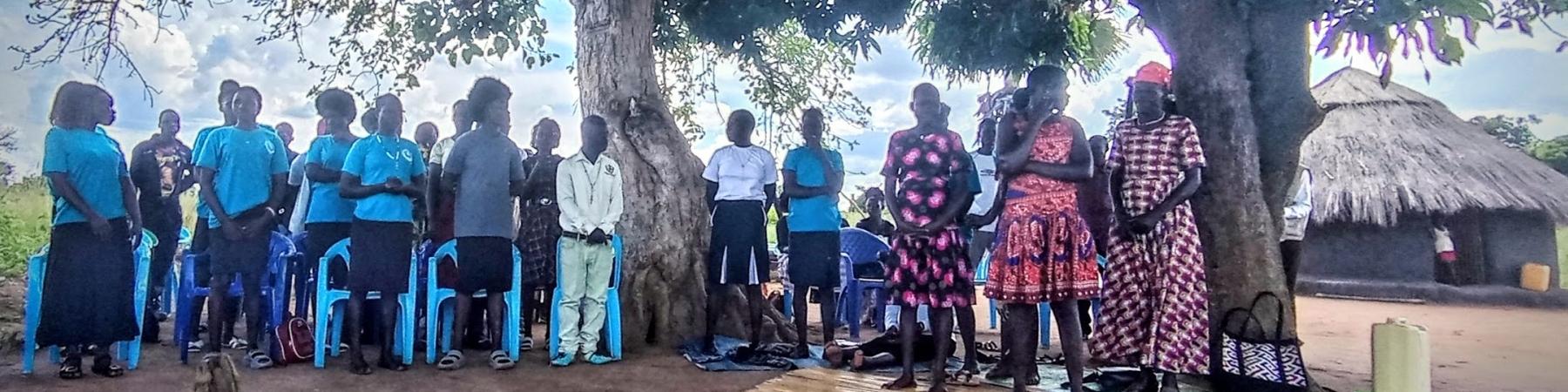
In Uganda, the POWER 4 AY Programme is demonstrating how youth-led organizations can spearhead systemic change. By combining partnerships, capacity-building, and advocacy, young people are addressing some of the most pressing challenges in their communities—mobilizing citizens, shaping legislation, and safeguarding rights. Two landmark achievements illustrate this transformative role: the adoption of ordinances on alcohol control in Omoro District and on teenage pregnancy prevention in Nwoya District.
Tackling Alcohol Abuse in Omoro
Omoro District faced growing challenges from alcohol abuse, fuelling crime, domestic violence, and declining productivity, especially among young people. In response, POWER 4 AY worked with youth-led organizations, organizations of persons with disabilities, local leaders, and the Omoro District Council to develop the Alcoholic Drinks Control Ordinance.
The ordinance sets strict measures on production, sale, packaging, advertising, and consumption of alcohol. It bans sales in sachets and small plastic bottles, prohibits promotions targeting children, and criminalizes false or misleading advertising. By setting clear rules and penalties—including fines, imprisonment, or suspension of licenses—the ordinance provides a robust legal framework to reduce the social harms of alcohol.
Crucially, this success was driven by youth advocacy. Young leaders mobilized their communities, worked alongside legal experts, and ensured the ordinance passed through council hearings—showing how empowered youth can influence governance for healthier, safer societies.
Combating Teenage Pregnancy in Nwoya
With teenage pregnancy affecting 28% of girls in Nwoya District, the consequences for health, education, and opportunity are devastating. In response, POWER 4 AY joined forces with youth-led organizations, organizations of persons with disabilities, local leaders, and the district council to draft the Teenage Pregnancy Ordinance.
The ordinance tackles harmful practices like forced marriage, unsafe gatherings, and cultural traditions that increase risk. It holds perpetrators accountable, prohibits luring girls into sexual acts, and ensures pregnant teenagers have access to education and healthcare. The law also addresses systemic issues such as misuse of funds for prevention programs, requiring accountability from duty bearers.
To ensure community ownership, youth played a leading role in drafting and disseminating the ordinance. Eighteen adolescent and youth advocates supported awareness campaigns, while partnerships with other Save the Children projects helped embed the ordinance into broader child protection work. Popularization efforts—including translation into local languages and creation of child-friendly versions—are ensuring that the law is understood, accepted, and applied at the grassroots level.
A Model for Sustainable Advocacy
Together, these two ordinances show how youth-led advocacy can move beyond community dialogue into concrete legislative change. By equipping young people with skills, platforms, and partnerships, POWER 4 AY ensures their voices are not only heard but also reflected in binding policies.
In Uganda, adolescents and youth are proving that when given the tools and space to lead, they are a powerful force to influence systems, protect rights, and lay the foundation for sustainable change.
-
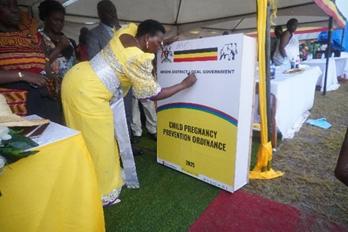
Picture 1. Akello Beatrice Akori, Minister of State for Economic Monitoring Office of the President Launching the Child Pregnancy Ordinance on Women’s day celebration in Nwoya district.
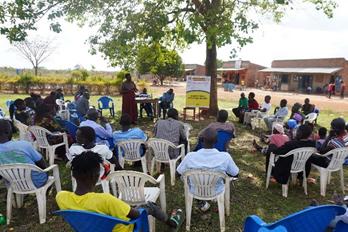
Picture 2. Participants during socialization in Anaka sub county in Nwoya district
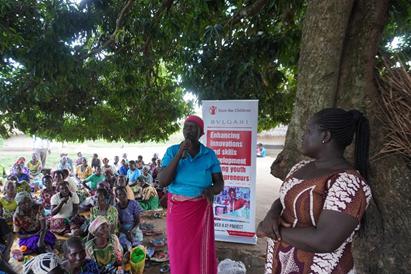
Picture 3. A woman giving feedback during socialization meeting in Koch Goma subcounty, Nwoya District.