
-
The POWER 4 AY employs targeted strategies to support young people towards decent employment opportunities, focusing on those most impacted by inequality and discrimination. For example, in Nepal, Municipal Disability Profiles were developed in partnership with Organizations of Persons with Disabilities, municipalities, and other stakeholders to map the needs of youth with disabilities, enabling their inclusion in economic empowerment pathways. Young persons with disabilities are further supported through assistive devices.
Vocational training of youth is guided by market assessments and supported to develop market relevant vocational training curricula, including technical guidebooks, and infrastructure improvements to accommodate needs such as WASH and reasonable accommodations. Capacity building for vocational trainers is a priority, focusing on market-driven trades’ delivery, safeguarding, and rights-based approaches. In Uganda, collaboration with the Ministry of Education has resulted in certifiable curricula, while Albania is developing green trade curricula with the sector head and further supporting vocational training schools through youth referrals, marketing strategies, and online and in-person outreach. Youth and Organizations of Persons with Disabilities are supported to propose and implement improvements to vocational training services
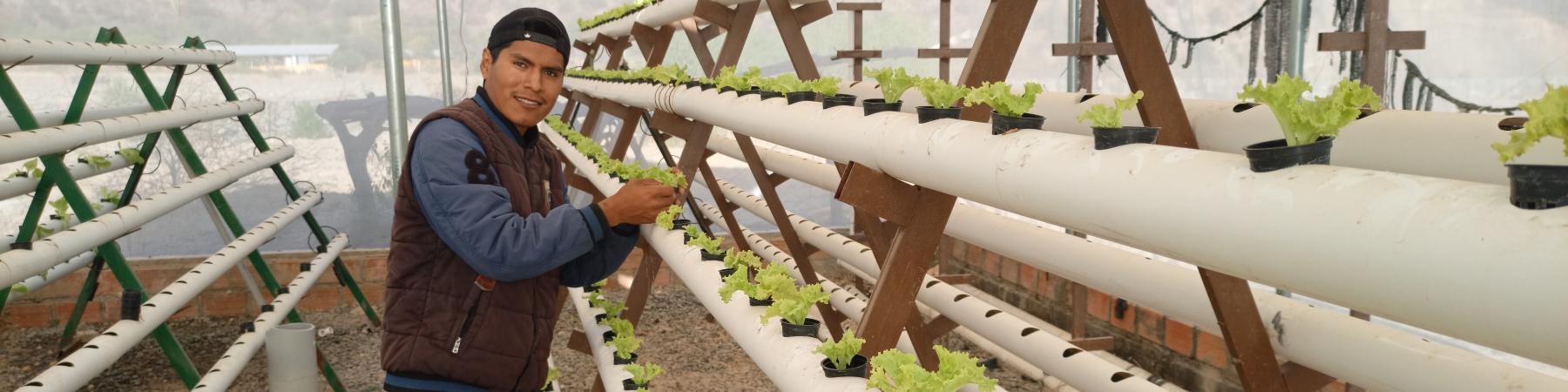
Towards economic empowerment, training of young people includes functional literacy and numeracy, basic competencies, financial literacy, and green jobs. Training fees, materials, transport, and safety gear are often provided to facilitate participation. Beyond technical skills, entrepreneurship training helps young people develop business plans, explore green entrepreneurship, and connect with mentors and experts, including partnerships with universities and other actors. Initiatives like business fairs, exchange trips, and social media marketing training expand the youths´ exposure to economic opportunities.
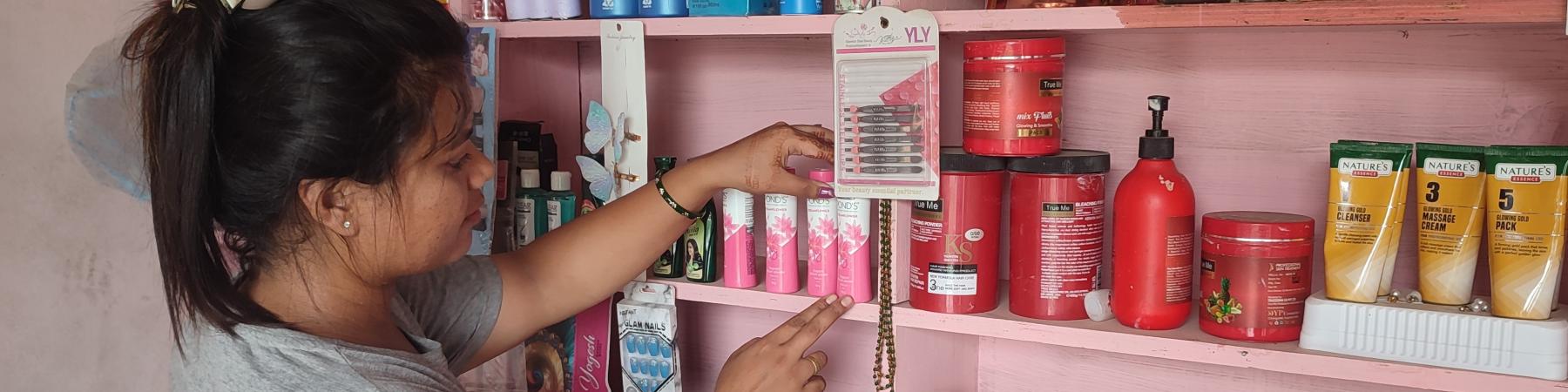
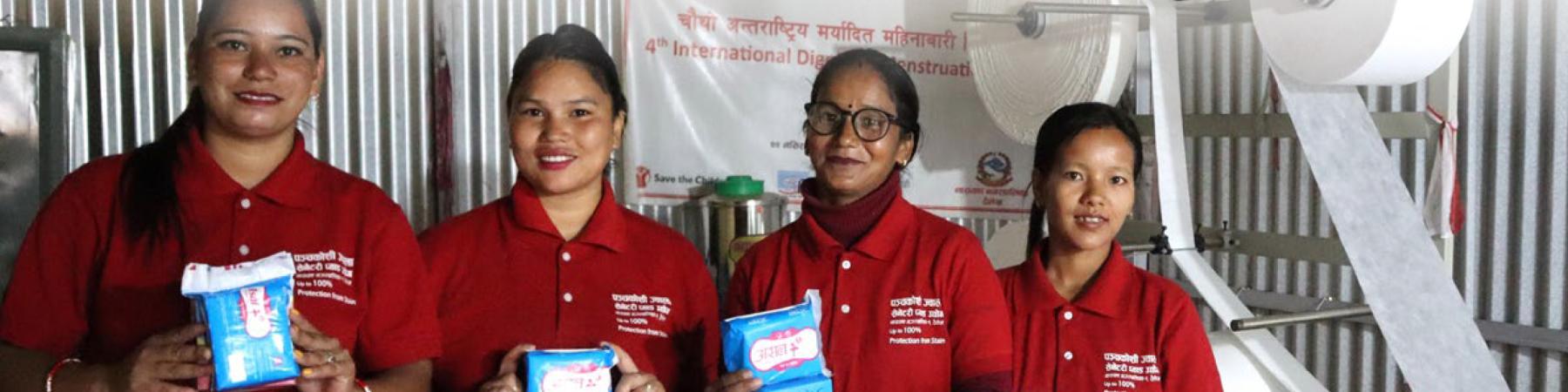
To enhance job placement, young people are linked with employment services which are strengthened to carry out safe work intermediation. Strengthening employment services includes providing complementary services for employers, linking actors within the employment landscape and offering technical support and promotion of services to communities and private sector actors. Furthermore, young people are connected to apprenticeships, internships and job fairs where they engage with potential employers. For self-employment, young people receive start-up support, mentoring, and market access for sustainable business development with a focus on green jobs. Finally, technical, emotional support and mentorship is provided to sustain both wage and self-employment pathways of young people.
Access to financial services can be difficult for young people most impacted by inequality and discrimination. Barriers are identified and addressed, which may even include a lack of identification cards to access bank accounts, loans, and business registration. Alternatives as establishing Village Savings and Loan Associations and working with Cooperatives to be more inclusive and youth-friendly is delivering important results to enable young people to secure loans, save and diversify their income. Barriers to decent employment can be important, but the POWER 4 AY is finding contextual, tailored strategies that are creating sustainable pathways for young people´s economic inclusion and growth.