-
Context
Nepal has made progress in poverty reduction but remains a lower-income country, with adolescents and youth—over 40% of the population (Central Bureau of Statistics, 2021)—facing intersecting challenges, particularly among women and people with disabilities. Around 2% of the population lives with a disability; among them, children make up 30%, with over half out of school and often neglected (Disability Research Center, Kathmandu University, 2016). In sexual and reproductive health, 17% of women aged 15–19 begin childbearing (NDHS, 2016), and 37% of women aged 20–24 were married before age 20 (NDHS, 2022). While secondary school enrolment has reached 61.6% (Ministry of Education, 2023), barriers from poverty and youth outmigration for education and work has created gaps in local skills development. Economically, the NEET rate is 21% (National Planning Commission, 2019), and youth unemployment stands at 19.2% (ILO, 2022). Over 82% of Nepali youth have sought work abroad, often underpaid and at risk of exploitation (ILO Nepal, 2014), with a 102% increase in labor migration between 2019 and 2023—the highest in Asia—due to limited local opportunities (ILO/ADBI/OECD, 2024). Comprehensive, youth-centered interventions are essential to harness Nepal’s demographic potential and promote equitable development.
-
Project Overview
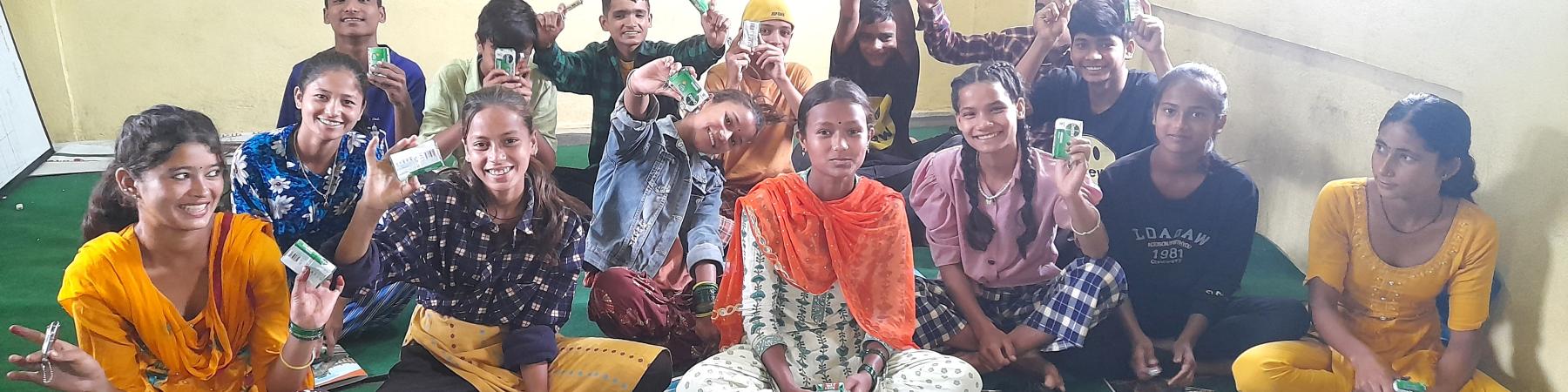
The project aims to improve the wellbeing of adolescents and youth facing inequality and discrimination in Banke, Surkhet, Dailekh, and Achham, Nepal. It focuses on increasing young people´s awareness and access to sexual and reproductive health services, reducing teenage pregnancies and early marriage, enhancing functional literacy and reducing school drop-out rates, expanding employment and income generation opportunities, and holding governments accountable for age-, gender-, and disability-sensitive services, policies, and plans spearheaded by adolescent and youth agency.
1. Improve Adolescent and Youth Choices Towards Avoiding Teenage Pregnancy and Parenting / Early Marriages
Life skills, functional literacy & numeracy, and adolescent sexual and reproductive health (ASRH) training equip youth with the tools to make informed choices, avoid early pregnancy and marriage, and pursue personal and professional goals. Young people are empowered to lead change in their communities, supported by parents, caregivers, and community members engaged in behaviour change initiatives that foster an enabling environment. Collaboration with the health sector further strengthens the availability and quality of youth-friendly ASRH services.
2. Increase Gender Transformative and Inclusive Functional Literacy for Adolescents and Youths and Support Educational Pathways for Adolescents and Youth
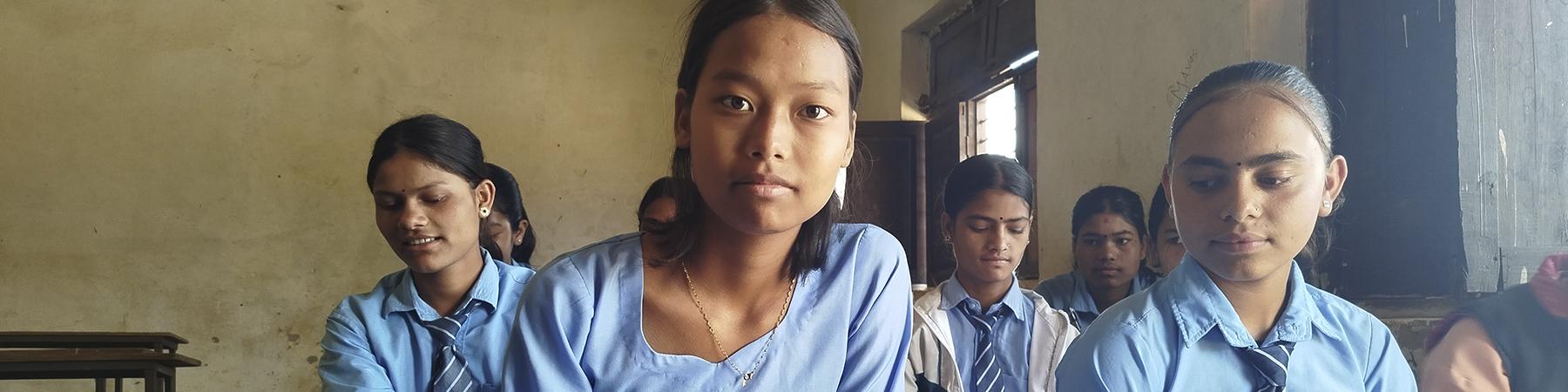
Adolescents at risk of dropping out due to financial hardship are supported to continue or return to school through a project bursary fund, with additional support mobilized from public and private actors. Catch-up and remedial classes help those struggling academically, while education providers are strengthened in gender equality, safeguarding, inclusion, effective methodologies, and improved WASH facilities.
3. Increase Adolescent and Youth Decent Employment
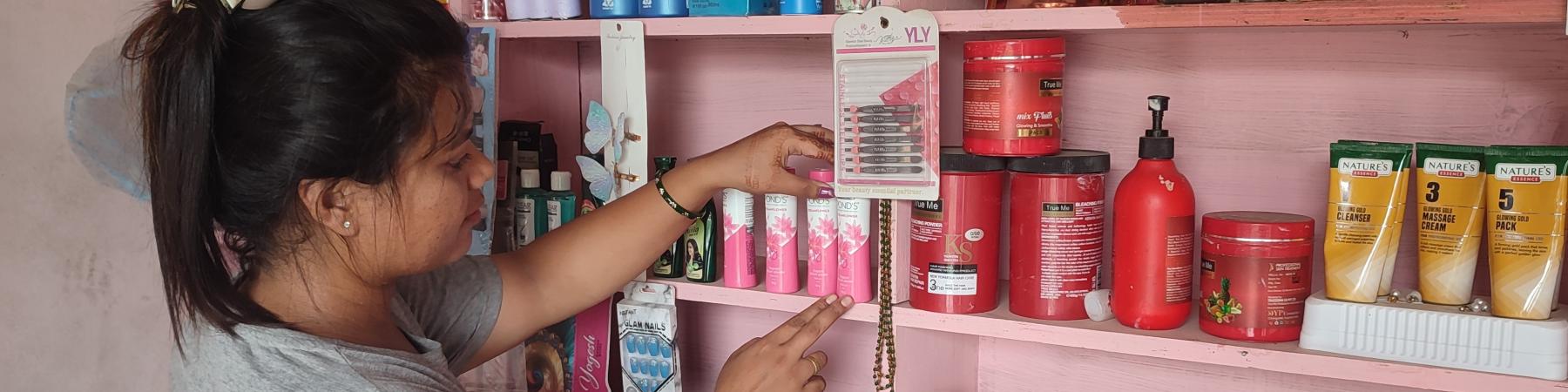
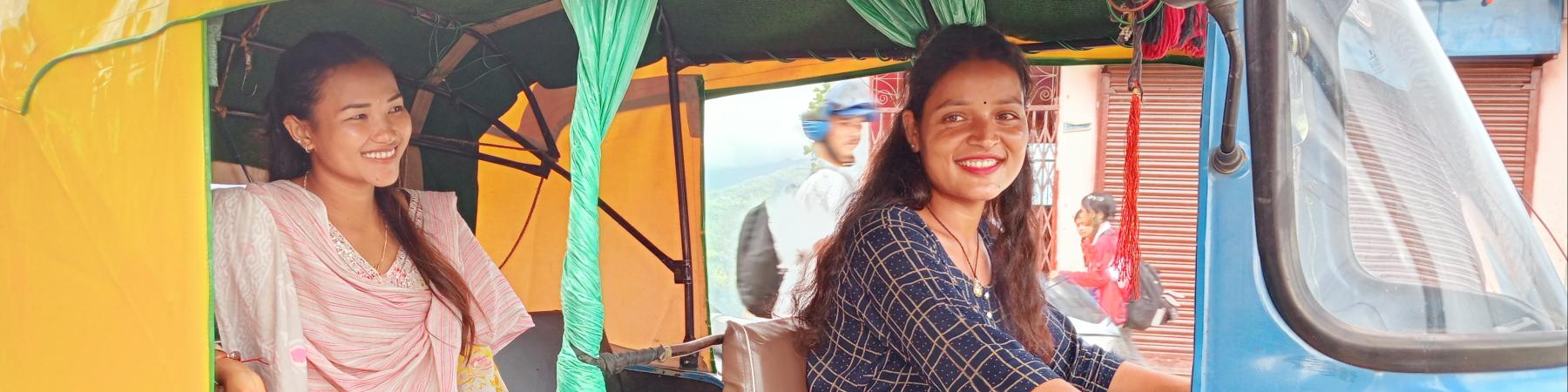
To support successful transitions into decent work, the project helps young people develop livelihoods by strengthening their functional literacy and numeracy, providing market-relevant business and vocational skills, and nurturing micro-enterprises. Participants are connected to markets and private sector partners to sustain their economic activities, while cooperatives are strengthened to enhance young people’s financial inclusion through improved access to financial services.
4. Age, Gender and Disability Responsive Services, Policies and Plans in Support of Adolescents and Youth´s Personal Development and Economic Empowerment Are Developed WITH and FOR Adolescents and Youth
The project supports adolescent and youth networks to lead community change in areas as sexual and reproductive health and climate resilience. By linking them with local governments, private sectors, and communities, it empowers youth to advocate for their rights through dialogues, campaigns, and funding for youth-led initiatives—creating spaces for meaningful participation and policy influence. To enhance dignity and reduce exposure to communicable diseases, the project increases young people´s access to WASH facilities. Families with persons with disabilities, elderly members, and pregnant or lactating mothers are prioritized. Marginalized schools lacking adequate WASH infrastructure and adolescent friendly health corners are supported with inclusive, gender-friendly renovations or new constructions.
Socio-ecological Model
Adolescent and youth wellbeing depends also on a supportive environment. The project promotes positive change across all levels of the SOCIO-ECOLOGICAL MODEL—engaging youth, families, communities, services, and systems. It collaborates with local governments, NGOs, Organizations of Persons with Disabilities, the private sector, financial institutions, and education and health providers.