POWER4AY Baseline Synthesis Report
Resource language
- English
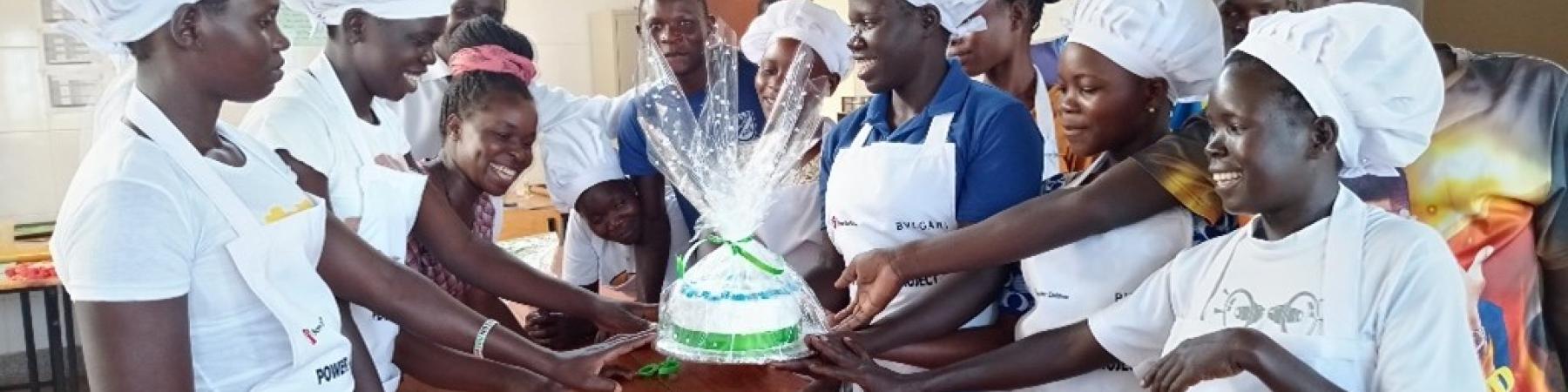
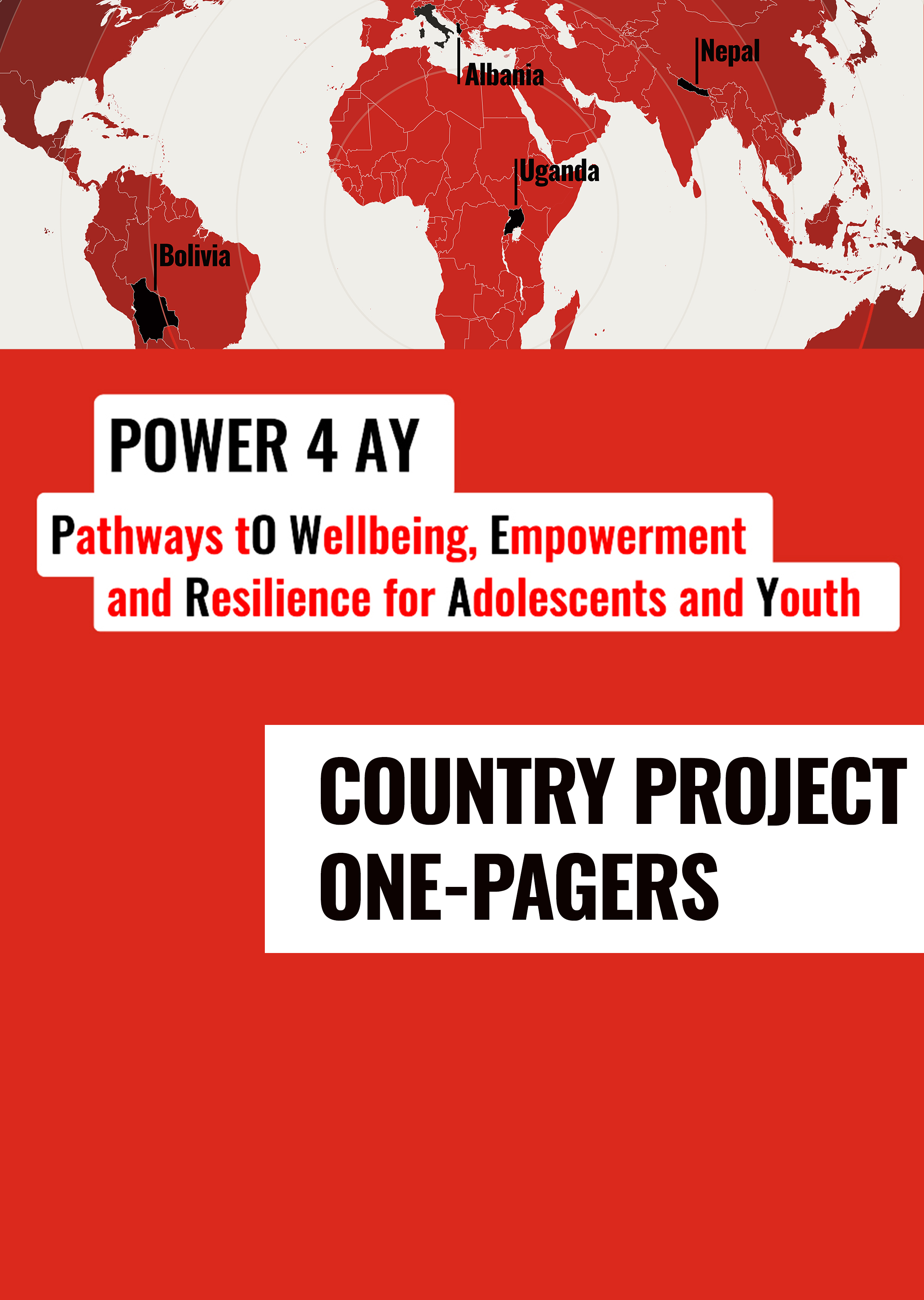
Implementing Area: Northern Uganda: Districts of Amuru, Nwoya and Omoro (Acholi Sub- Region.)
Specific Objective: Improve wellbeing of adolescent and youth (aged 12-24) most impacted by inequality and discrimination in Amuru, Nwoya and Omoro by the year 2026.
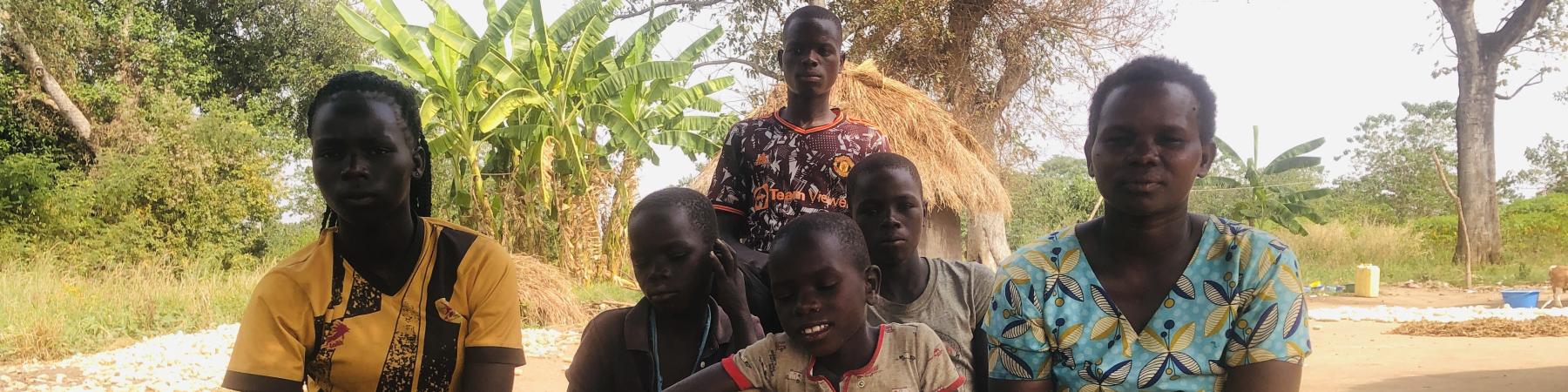
Expected Participants: 4.500 Adolescents and Youths 13-24 yrs: 960 (480 girls and 480 boys) Very Young Adolescents with and without disabilities; 3.540 (1.770 female and 1.770 male) Older Adolescents and Youths with and without disabilities.
In Uganda, adolescents and youth face multiple, overlapping challenges that affect their wellbeing and future prospects. With over 75% of the population under age 30 (Uganda Bureau of Statistics, 2022) and high fertility rates, the strain on social services is especially acute in underserved areas. In the Acholi Sub-Region, where 69% of people—and 76% of children—live in multidimensional poverty (UNICEF, 2020), adolescents face limited access to quality education with high dropout rates. Sexual and reproductive health and rights remain a major concern, with a teenage pregnancy rate at 25% (Uganda National Strategy to End Child Marriage and Teenage Pregnancy) and insufficient youth-friendly services, especially for girls and adolescents with disabilities. Economic opportunities are scarce, informal, and poorly paid with limited access to skills training for rural youth. Political participation is also limited, constrained by weak civic education, few engagement platforms and cultural norms that often exclude young people from decision-making.
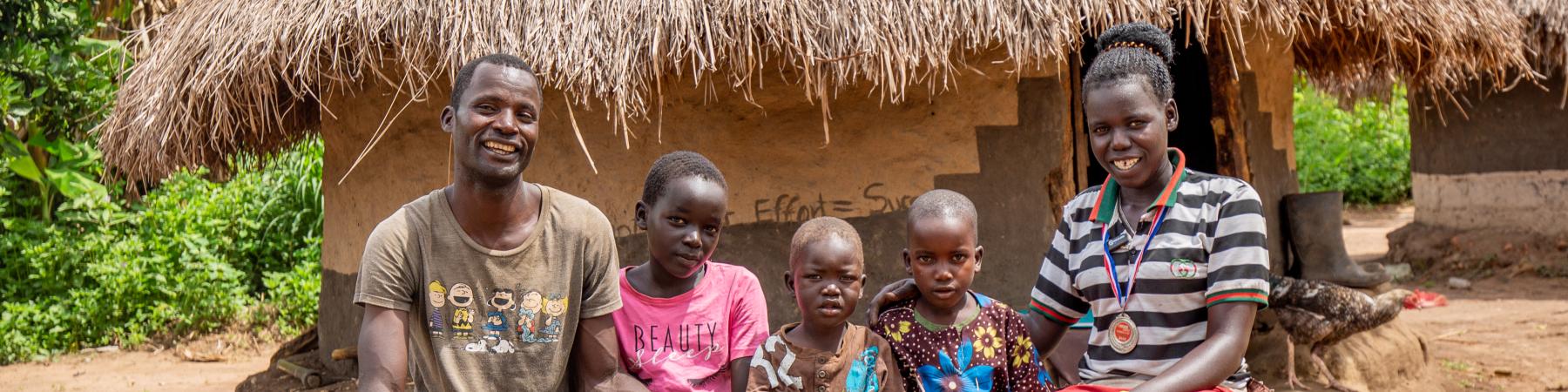
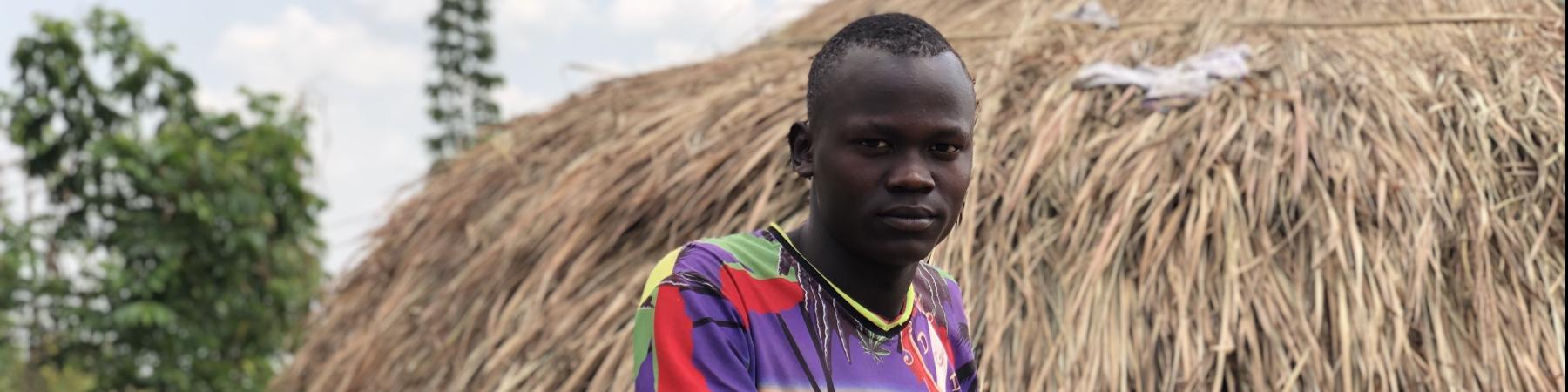
The project reaches adolescents and youth most impacted by inequality and discrimination, including children heading households, orphans, landless, single parents, persons with disabilities, those living with HIV/AIDS, and individuals from the poorest households. It also focuses on young people with limited literacy and numeracy skills, insufficient transferable life and work readiness skills, no livelihood opportunities, and those who are not in education, employment, or training.
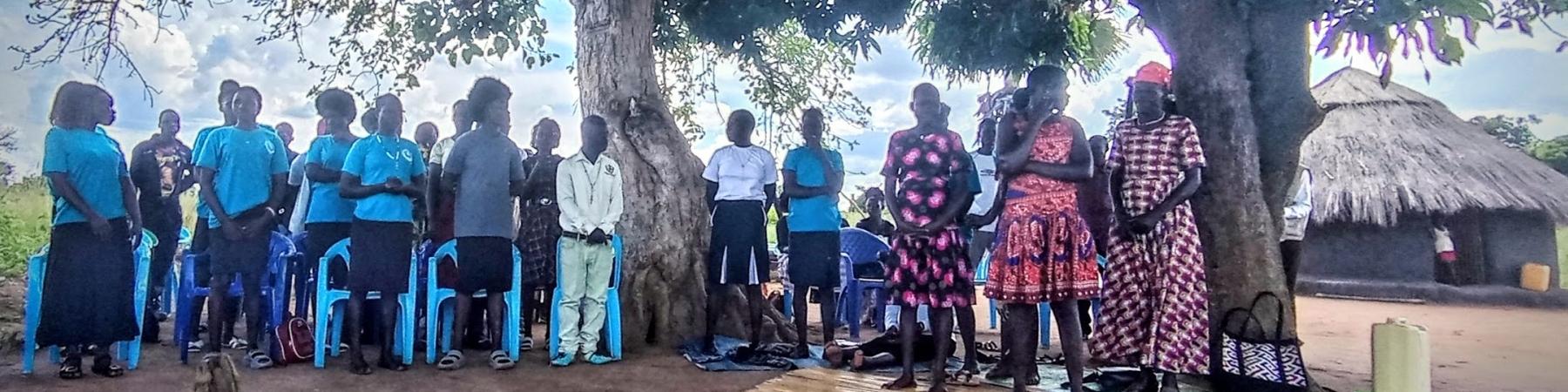
The intervention teaches young people transferable life skills, boosts literacy and numeracy skills, and empowers them to make healthy sexual and reproductive choices by providing age-appropriate, disability-inclusive sexual and reproductive health training. The project addresses gender inequality and targets barriers faced by youth with disabilities through actions as advocacy and community dialogues to dispel harmful social norms. Parents, caregivers and the broader community are actively engaged in behavioural change actions to promote an enabling environment. By fostering collaboration with community actors and health facilities, the project enables supportive systems to ensure care while enhancing sexual and reproductive health services in the region.
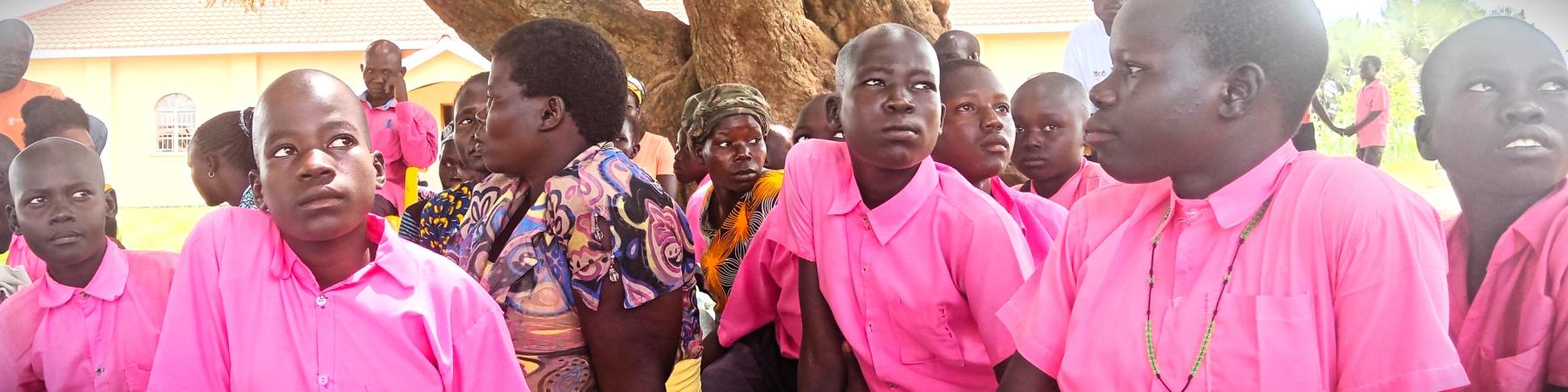
Upholding young people´s right to education the project focuses on very young adolescents who face barriers to education, excluding them from attending school. These young people are trained in life skills, sexual and reproductive health and functional literacy and numeracy whilst the project addresses immediate needs to attend school through education cash grants and long-term solutions like developing income-generating activities for their parents to sustain school attendance.
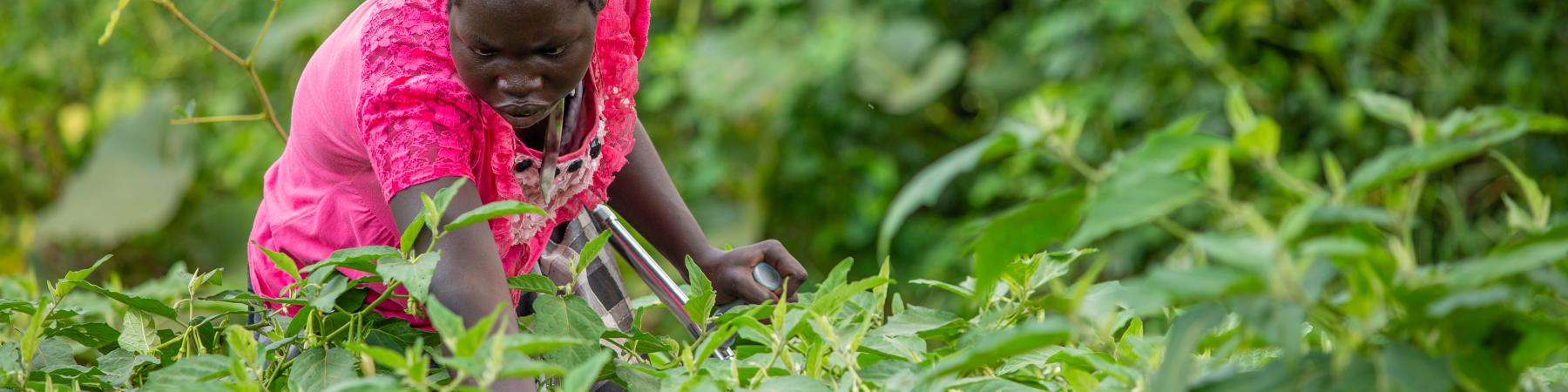
To facilitate successful transitions into decent work the project supports young people through a holistic "pathways" approach to create inclusive opportunities for livelihood development. Participants develop market-relevant business and vocational skills, with competencies assessed by Uganda´s Directorate of Industrial Training, and are supported to develop income-generating activities and village savings and loans associations.
Young people´s agency is critical and the project harnesses the energy of the “youth bulge” to drive change, preparing young people to lead in their communities. Youth are supported to advocate for issues that matter to them and their communities. By addressing accessibility and inclusion, it ensures meaningful participation for all, enabling youth to advocate for their rights to sexual and reproductive health, education, decent work, and protection from abuse.
To reach its objectives, the project works collaboratively with various stakeholders, including local government structures, private sector actors, organizations of persons with disabilities, education, health and vocational education service providers, and youth-led organizations. These partnerships support the implementation, capacity building, monitoring, and integration of project activities, ensuring a holistic and sustainable approach.
Socio-ecological Model
Adolescent and youth wellbeing depend on a large extent on the supportive environment in which they live. For this reason, the project promotes strategies to trigger positive outcomes at all levels of the socio-ecological model, working with young people, families, peers, communities, services, systems, laws and policies. Collaboration with key stakeholders includes local government structures, private sector actors, organizations of persons with disabilities, education, health and vocational education service providers, and youth-led organizations.