-
Context
Albania, with a current population of approximately 2.8 million, has made significant strides in development, transitioning from one of the poorest European nations to an upper-middle-income country. Despite this progress, challenges remain, particularly for young people. Youth unemployment (ages 15–24) stands at 25.5% in 2024, reflecting slow labor market recovery and persistent inequalities.
Child poverty and social exclusion are critical issues, with over 40% of children facing multidimensional poverty. Vulnerable groups, including youth in conflict with the law and those facing gender or disability-based discrimination, continue to require targeted support. Patriarchal norms still contribute to gender-based violence and restrict opportunities for girls, including education and employment.
-
Project Overview
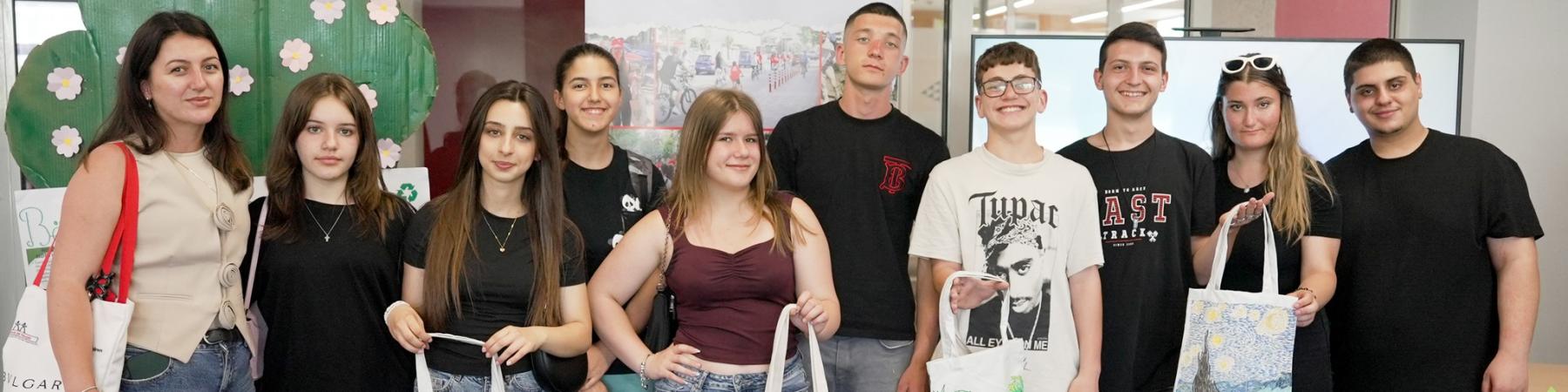
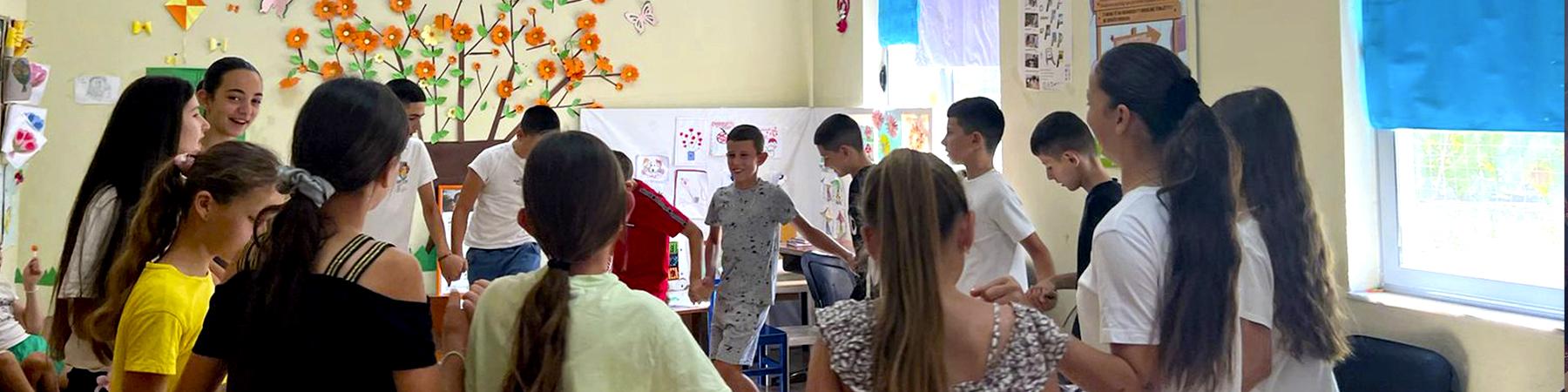
The project seeks to empower young people who are most affected by poverty, inequality, and discrimination. It focuses on enhancing their wellbeing and breaking the cycle of poverty by fostering self-confidence, supporting assertive decision-making about their futures, and creating a protective environment within families, communities, systems and services. The initiative emphasizes changing attitudes and beliefs to promote the equal rights of all young people to education, protection, employment, and family strengthening opportunities. Empowered young people collaborate with peers, influence community changes, and contribute to decision-making on issues that impact their lives and environment.
The project´s first outcome focuses on preventing violence and abuse against adolescents and youth by building their resilience and creating safer, violence-free environments with the support of families, communities and strengthened community and protection services. It empowers young people with knowledge, life skills, and participation in their own protection while fostering positive family communication and parenting practices. Young people are equipped with the tools to access prevention and protection services which are strengthened to employ tailored, case-by-case approaches that address the unique vulnerabilities of young people and their families, leveraging a holistic, multi-stakeholder strategy to ensure coordinated and sustainable support. The project challenges harmful gender norms, promoting respect and equal opportunities for girls and young women.
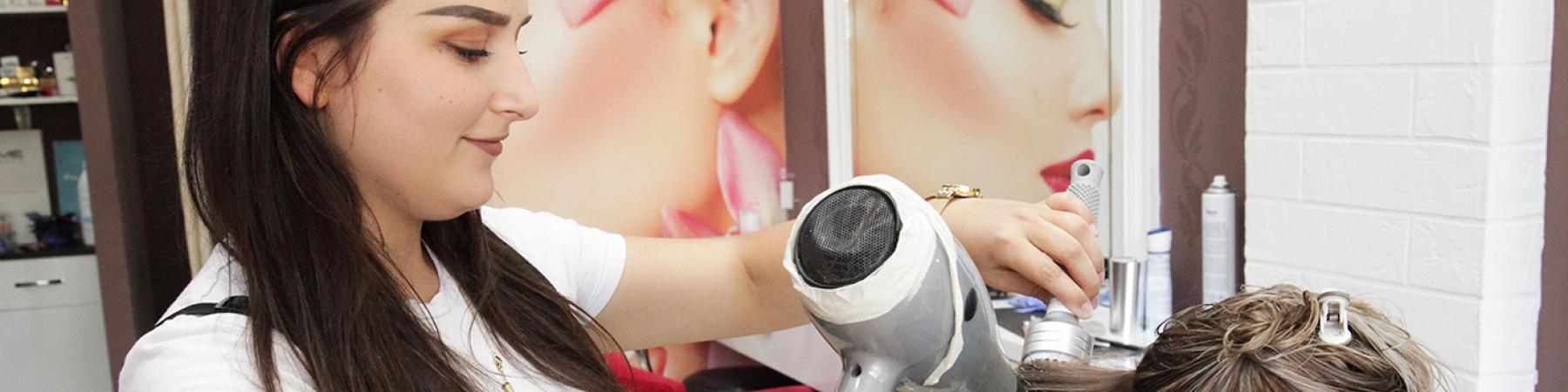
The second Outcome aims to increase sustainable livelihood opportunities for adolescents and youth, especially girls, minorities, and those with disabilities, by building their skills to access decent civic and economic opportunities. It focuses on equipping vulnerable youth with market-relevant skills and addressing gaps in public services in target municipalities and institutions like vocational education training centers and employment services. Strengthening institutional capacities enables effective mentoring, support for employment, and facilitation of start-up initiatives for hard-to-reach youth.
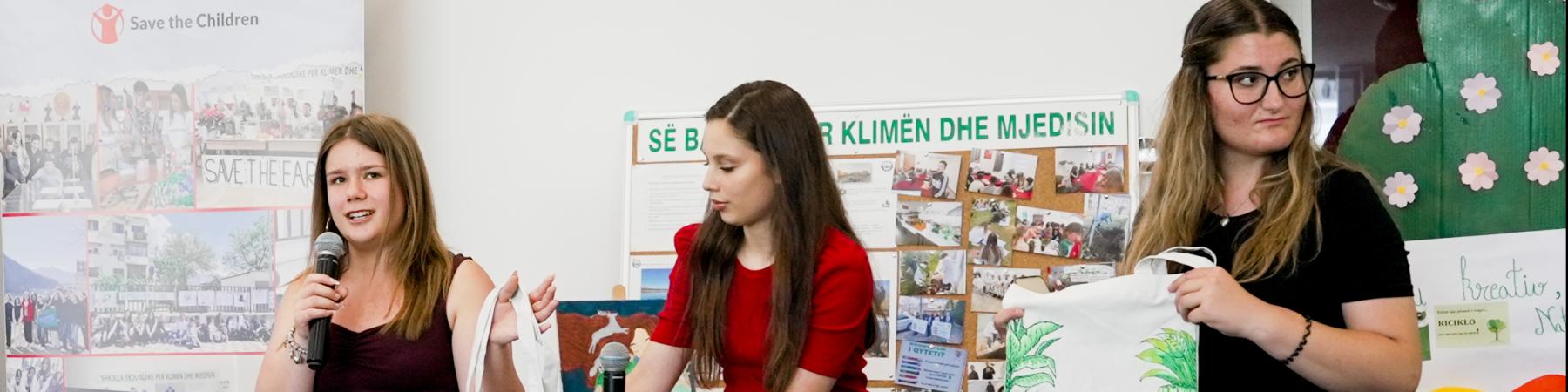
The third Outcome focuses on empowering local governments to develop and implement participatory policies and services that support adolescents and youth in transitioning to adulthood. This includes helping institutions to better understand and address youth needs while and create local plans through participatory approaches. By equipping young people with knowledge of their rights and advocacy skills, the project ensures their meaningful participation in policy development, enabling them to influence decisions and policy that concerns them.